
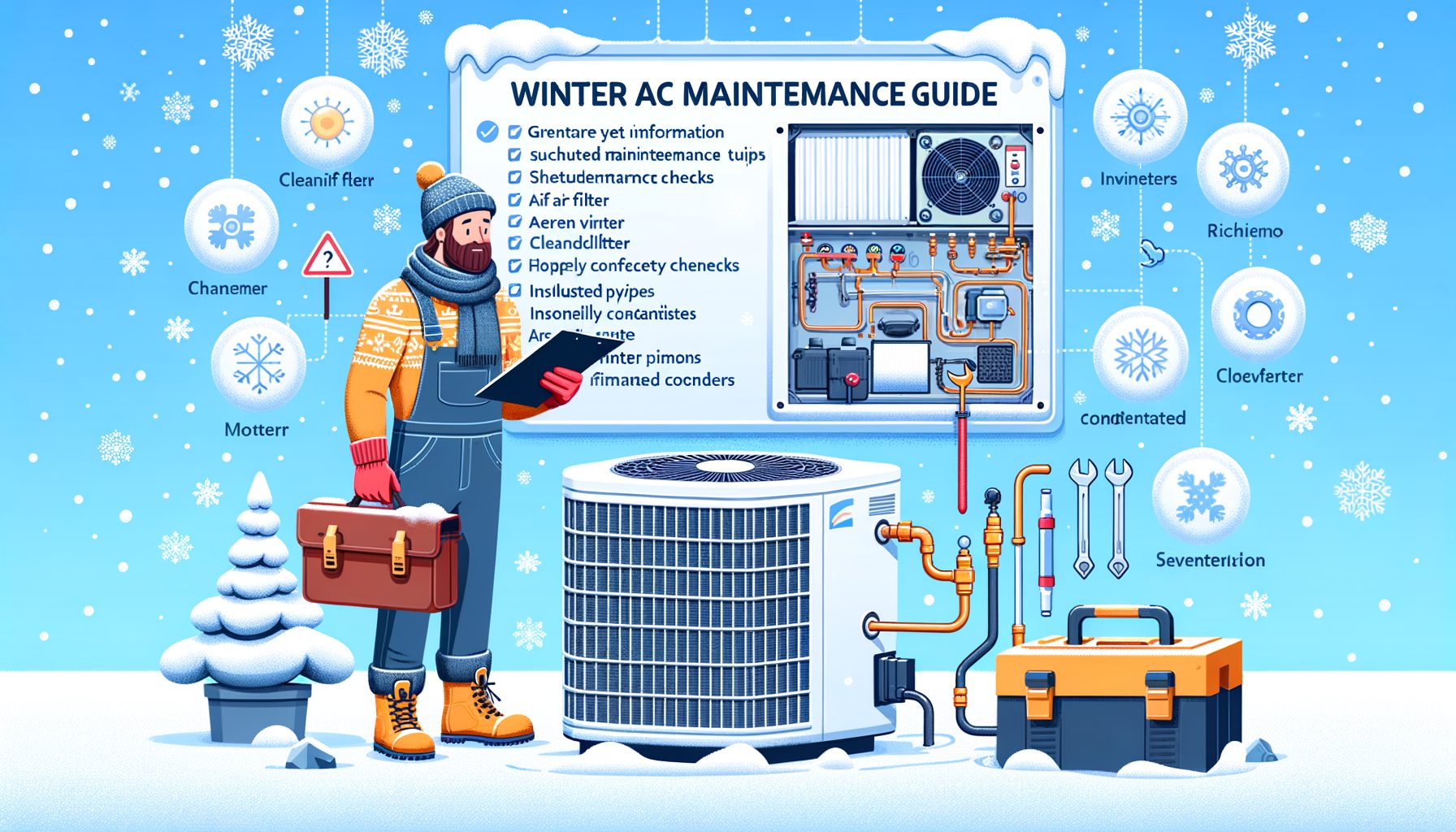
Cold months can be sneaky energy drainers. Systems idle more, dust builds up, and tiny inefficiencies quietly inflate your bill. Here’s a winter AC maintenance guide for inverter units that shares efficiency tips to protect your hardware, lower costs, and keep indoor air fresh. Whether your inverter AC cools a home office in Mumbai, a studio in Madrid, or a bedroom in Miami, winter is the smartest time to tune it for peak performance. Inside, you’ll find simple steps, pro-level insights, and data-backed advice designed to extend lifespan, stabilize comfort, and make your next power bill a pleasant surprise.
Why Winter AC Maintenance Matters for Inverter Units
Let’s begin with the main problem: inverter ACs are built to modulate power smoothly, but they can’t deliver their best if airflow is choked, sensors are off, or the outdoor unit is blocked by debris. Because winter lowers usage and attention, filters clog, coils develop a thin film of dust, and the condensate line dries out or traps odors. They may look minor, yet research and field data consistently show that even light buildup can reduce efficiency. For example, dirty filters alone can increase energy consumption by 5–15%, according to agencies like U.S. DOE Energy Saver. That’s wasted money for the same comfort level—and unnecessary stress on components.
Outdoor exposure brings another winter-specific challenge. Fallen leaves, wind-blown litter, or snow can clog the outdoor coil and fan grille. Restricting outdoor airflow makes the inverter work harder and run longer, reducing its key advantage: variable-speed efficiency. If you use a heat pump for heating, winter maintenance matters even more. Ice or snow buildup can trigger defrost cycles more frequently, which temporarily reverses operation and reduces efficiency. Keeping the outdoor unit clear and the coil clean helps minimize those interruptions and maintain steadier room temperatures.
Small control errors get amplified by low ambient temperatures. An over-aggressive fan or a slightly miscalibrated thermostat can cause short cycling: the unit starts and stops frequently, which is inefficient and adds wear to the compressor and electronics. Inverter systems excel when they can run at low speeds for efficiency—provided the system can breathe well and the controls are dialed in correctly. That’s why winter is the ideal time to recalibrate: you’re not in peak usage season, so a few minutes of careful maintenance can yield outsized gains as temperatures swing back to summer.
From a practical standpoint, most winter touch-ups take less than an hour and don’t require specialized tools. Simple actions—cleaning the filter and coil surface, checking drain lines, inspecting insulation on refrigerant pipes, and updating the remote’s seasonal settings—add up to measurable savings. In field visits, technicians often find that users skip these steps for multiple winters, then complain about higher bills or weaker cooling in spring. A quick winter check breaks that cycle, keeps the inverter’s control logic in its optimal range, and sets you up for smooth operation when you need cooling again.
Step-by-Step Winter Maintenance Checklist (Safe and DIY-Friendly)
Important: Always turn off power to the indoor and outdoor units before cleaning. Avoid opening sealed refrigerant circuits. If you see oil stains, bent pipes, or heavy ice, stop and call a licensed HVAC technician. With that in mind, here’s a DIY-friendly winter checklist tailored to inverter ACs:
1) Clean or replace air filters: Slide out the indoor unit’s filters and wash them with lukewarm water. Let them dry fully before reinstalling. If your filters are disposable, replace them as recommended by the manufacturer. Clean filters restore airflow, which helps the inverter run at lower speeds more often—its most efficient mode.
2) Dust the indoor coil surface and blower intake: Use a soft brush or a vacuum with a gentle brush attachment to remove dust on accessible surfaces. Do not bend fins. A light coil-cleaning spray (non-corrosive, AC-safe) can help, but follow the product instructions carefully. Better airflow equals lower runtime and less noise.
3) Inspect the outdoor unit: Clear leaves, snow, and dirt at least 60 cm (2 ft) around the unit. Gently rinse the coil with low-pressure water if it’s dusty (never use high pressure). Verify that the top and sides are unobstructed. If you experience snow, consider a manufacturer-approved snow guard or hood that preserves airflow.
4) Check the condensate drain: Even in winter, residual humidity or intermittent use can leave moisture in the drain line or pan. Verify the drain isn’t clogged by pouring a small amount of water into the indoor drain pan (if accessible) and confirming it flows out. A blocked drain can cause odors, leaks, or sensor faults later.
5) Inspect pipe insulation: The refrigerant lines (usually wrapped in foam) should be intact. Cracked or missing insulation raises losses and can cause condensation when cooling resumes. Replace damaged sections with closed-cell insulation sleeves sized for the pipe diameter.
6) Wipe the indoor chassis and louvers: Gentle cleaning reduces dust recirculation and helps the swing mechanism move freely. Sticky buildup can confuse temperature readings near the sensor.
7) Smart controls and firmware: If your brand offers app control or firmware updates, winter is a perfect time to update. Newer control logic can optimize compressor speed ramps and defrost timing. Also, re-check your Wi-Fi schedule and geofencing settings so the AC doesn’t run when you’re away.
8) Electrical safety and surge protection: Winter storms can cause voltage dips or spikes. A surge protector rated for HVAC can protect sensitive inverter boards. If you notice frequent breaker trips or buzzing, call a pro to check wiring, grounding, and terminal tightness.
9) Quick health run: Once everything is clean and reassembled, power up the unit for a 10–15 minute test. Listen for odd noises, watch for error codes, and verify stable airflow. For heat pump models, test heating mode to ensure the outdoor fan spins freely and defrost cycles are not constant.
10) Document settings: Take a photo of your remote or app settings after optimization. Record filter cleaning dates in your phone. Simple logs help you catch trends early, like progressively shorter cycles or rising power usage for the same setpoint.
Taken together, the steps above strike the balance between safe DIY and meaningful results. They target the airflow and control logic that make inverter units efficient, while leaving refrigerant pressure, leak testing, or component replacement to professionals. If you see persistent ice, smell burning, or notice oil stains around joints, book service promptly to prevent larger repairs.
Optimizing Efficiency Settings for Inverter ACs in Cold Weather
Running a cooling-only inverter in winter? You may power it up on mild days or for air circulation. Heat pump owners will use heating mode regularly. In both cases, smart settings can unlock big savings without sacrificing comfort:
– Target setpoints thoughtfully: For heating, try 20–21°C (68–70°F) when home and 17–18°C (62–64°F) when away or sleeping. For occasional winter cooling in warm climates, avoid setting below 23–24°C (73–75°F) unless needed. Each 1°C (≈2°F) adjustment can reduce energy use by roughly 3–5%, according to multiple energy agencies, including ENERGY STAR.
– Use Eco/Sleep modes: These modes smooth compressor ramps and cap maximum output. Inverter systems thrive on steady, low-power operation; Eco/Sleep helps maintain that sweet spot. It also reduces nighttime drafts and noise by moderating fan speed.
– Smart fan settings: Auto fan aligns airflow with actual load. In winter, avoid continuous high fan, which can over-cool or overheat the room and trigger short cycling. Let the inverter balance speed gradually.
– Mind defrost (heat pumps): In cold, humid weather, outdoor coils frost. The unit will occasionally reverse to melt ice. Keep the outdoor coil clean and clear so defrosts are shorter and less frequent. If defrost seems constant or room temps swing wildly, call a technician—this can indicate a sensor or refrigerant issue.
– Air direction and room setup: Angle swing louvers to distribute air across the room, not directly at occupants. Use ceiling fans on low, reverse mode (clockwise) in heating to gently push warm air down. Close gaps around doors/windows and use insulated curtains to stabilize temperature—your inverter will need fewer high-power bursts.
– Monitor energy: A smart plug with energy monitoring (compatible amperage permitting) or the brand’s own app helps visualize daily kWh. You’ll quickly see the impact of setpoint changes or filter cleaning. Make one change at a time and track results for a week.
Well, here it is: a compact look at typical savings and impacts you can expect, based on field data and energy-agency guidance. Your results will vary by climate, insulation, and unit size:
| Action | Typical Impact | Notes |
|---|---|---|
| Increase winter heating setpoint by -1°C (or cool at +1°C) | 3–5% energy savings | Stackable with other measures; comfort-dependent |
| Clean/replace clogged filters | 5–15% energy savings | Backed by DOE/Energy Saver guidance |
| Clear outdoor unit and rinse coil | 2–10% improved performance | Reduces defrost time and fan load |
| Use Eco/Sleep mode overnight | 2–8% energy savings | Smoother ramps, less overshoot |
| Seal window/door drafts | Up to 10% HVAC savings | Varies by building envelope |
Tuning these settings builds a compounding effect: cleaner airflow lets the inverter hold setpoint at lower wattage, better room sealing reduces temperature swings, and smarter modes keep the compressor in its most efficient operating band. The result is quieter comfort and lower bills without sacrificing convenience.
When to Call a Professional: Diagnostics and Smart Upgrades
Some symptoms signal issues that DIY steps can’t solve. If you notice any of the following, a licensed HVAC technician should evaluate your system:
– Short cycling (frequent starts and stops) even after filter cleaning and settings optimization.
– Ice on the indoor coil or heavy frost on the outdoor unit that doesn’t clear after a defrost cycle.
– Unusual noises: grinding, buzzing from the outdoor unit, or loud humming from the indoor fan.
– Electrical concerns: tripped breakers, burning smells, or visible scorch marks on wiring.
– Energy spikes: a noticeable jump in your bill with similar weather and similar usage patterns.
What professionals do during a winter tune-up often includes tasks beyond safe DIY scope: checking refrigerant charge (weigh-in/out or subcool/superheat measurements), verifying sensor calibrations, updating firmware, measuring static pressure and airflow, testing defrost controls, inspecting contactors and PCB connections, and cleaning coils with the right chemicals and techniques. Catching a small refrigerant leak early prevents compressor stress and keeps efficiency high when summer returns.
Consider upgrades that enhance reliability and efficiency:
– Surge protection and proper grounding for the outdoor unit to protect inverter electronics.
– A manufacturer-approved snow hood or stand to elevate the outdoor unit in heavy-snow regions.
– Smart thermostat or brand app integration for schedules, geofencing, and usage insights.
– Low-ambient kits for specialty applications (e.g., server rooms that need cooling in winter), ensuring the system runs safely at low outdoor temperatures.
– Better pipe insulation and UV-resistant wraps for outdoor lines in sunny or harsh climates.
In many markets, seasonal maintenance plans cost less than a single emergency repair and include priority service. Ask your provider for a written checklist so you know what’s being done. Also, verify that your technician is trained on your brand’s inverter technology; control logic and diagnostic codes vary by manufacturer, and proper service depends on brand-specific knowledge.
FAQs
Q: Should I cover my outdoor unit in winter?
A: Avoid airtight covers. They trap moisture and encourage corrosion. Use a manufacturer-approved guard or a breathable top cover that doesn’t block side airflow, and always keep debris and snow away from the coil.
Q: How often should I clean inverter AC filters?
A: In normal conditions, every 1–2 months. In dusty or pet-heavy homes, check monthly. Clean filters are the easiest and most reliable efficiency win.
Q: Is it okay to run cooling in winter?
A: In mild climates or for specific needs, yes—but avoid very low setpoints. If outdoor temperatures are low, some units may restrict cooling to protect the compressor. Consult your manual for low-ambient limits.
Q: Why does my heat pump run a defrost cycle?
A: Frost forms on outdoor coils in cold, humid weather. Defrost briefly reverses the system to melt ice. If it happens constantly, you may have a sensor, airflow, or refrigerant issue—call a pro.
Q: Do inverter ACs need refrigerant top-ups annually?
A: No. Refrigerant is in a sealed circuit. If charge is low, it usually indicates a leak that must be found and fixed—not just topped up.
Conclusion: Simple Winter Habits, Noticeable Year-Round Gains
In this guide, you saw how a few focused actions—filter cleaning, coil care, clearing the outdoor unit, checking drains and insulation, and optimizing setpoints—deliver meaningful gains for inverter AC efficiency in winter. We also covered how Eco/Sleep modes, careful fan control, and better room sealing reduce runtime and keep comfort stable. For heat pump users, minimizing defrost disruptions by keeping the outdoor coil clean can noticeably smooth heating performance. When symptoms point past DIY, calling a trained technician protects your compressor, electronics, and long-term costs.
Now is the perfect moment to act. Spend 30–60 minutes this week on the checklist above. Then, adjust your winter setpoints by 1°C, enable Eco/Sleep at night, and log your power usage for a week. You’ll likely see lower consumption and quieter operation—proof that inverter systems love steady, low-stress conditions. If you notice persistent issues, schedule a professional tune-up and ask for a written report. The small investment today can save a peak-season headache later.
For extra help, review your model’s manual and explore trusted resources like Energy Saver on heat pumps, ASHRAE technical resources, and your manufacturer’s support pages. These offer brand-specific tips, firmware updates, and operating limits for cold weather.
Your inverter AC is built to be efficient—it just needs clean airflow, sensible settings, and a bit of attention during the off-season. Ready to try the checklist and shave a few percent off your next bill? Small habits, big impact—your future summer self will thank you.
Sources
U.S. Department of Energy – Maintaining Your Air Conditioner
ENERGY STAR – Heating & Cooling Guidance
U.S. Department of Energy – Heat Pump Systems