
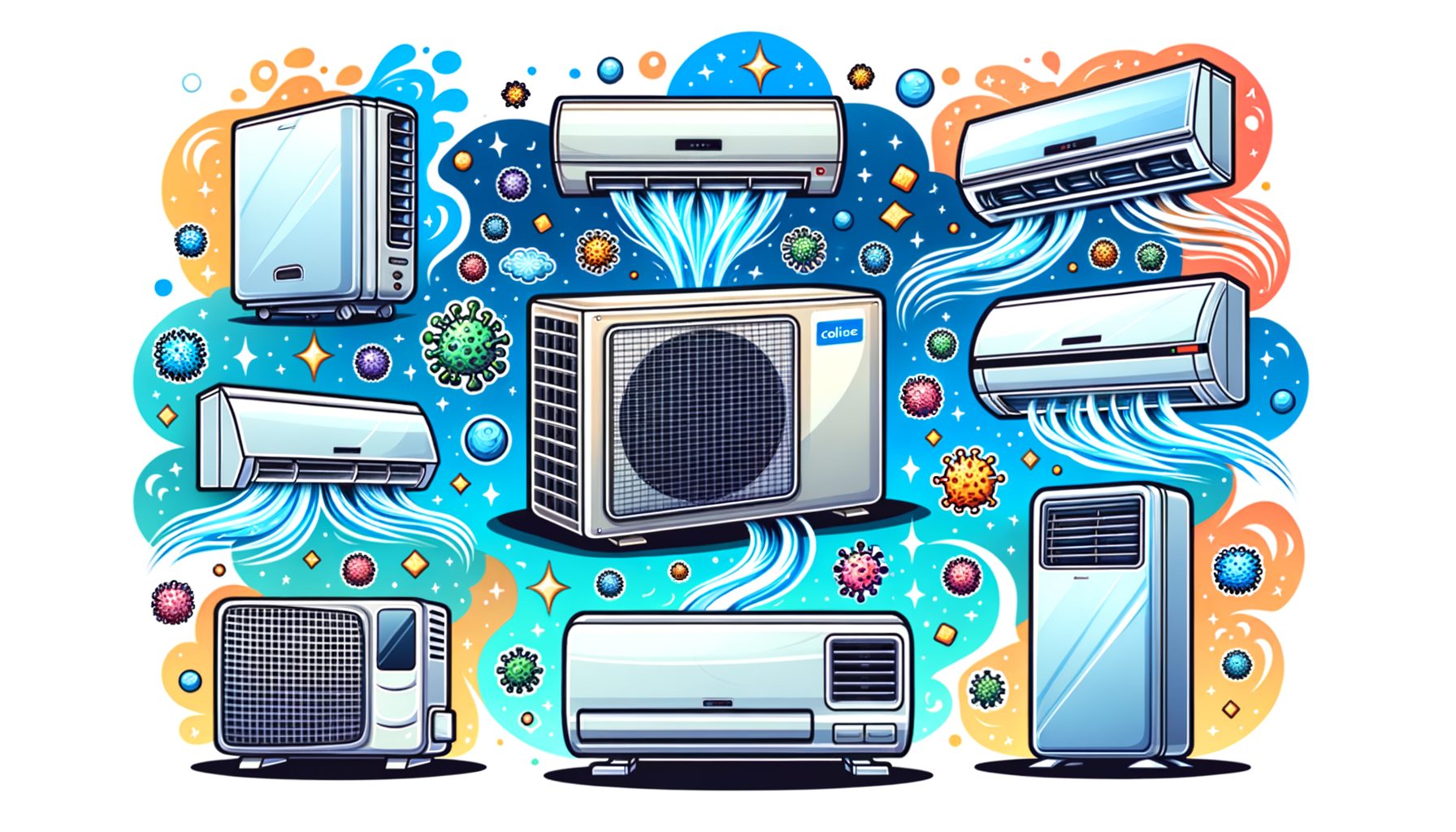
Indoor air can be up to five times more polluted than outdoor air, which makes staying healthy, productive, and comfortable a challenge. Wondering whether your cooling system helps or harms your air quality? You’re not alone. Many modern units now ship with specialized filtration. In this guide, we explore air conditioners with antibacterial filters—what they do, how they compare, and how to choose wisely—so you can breathe cleaner air with every degree of cool.
Why antibacterial filters in ACs matter for indoor air quality
Most buyers focus on temperature control and energy savings. Yet the day-to-day issue is often invisible: indoor air quality. Inside homes and offices, air can carry fine dust (PM2.5 and PM10), bacteria, mold spores, pet dander, smoke residue, and volatile organic compounds from furniture or cleaning products. If you’ve struggled with allergies, recurring colds, or musty odors, indoor air may be quietly contributing.
Antibacterial filters, when integrated into a well-designed AC, aim to reduce the microbial load as air circulates. They don’t replace good ventilation, but they help lower particle concentrations and inhibit growth on filter surfaces. Paired with proper ventilation and humidity control, the payoff is cleaner, more comfortable air with fewer irritants. That’s especially helpful for people with asthma or allergies, and for anyone in humid climates where mold spreads fast.
Here’s the catch: not all filters or claims are equal. The term “antibacterial” might describe a high-density mesh that captures larger particles, a coating that inhibits bacterial growth, or active technologies like UV-C light and electrostatic plasma aimed at microbes. Your job is to match the technology to your air challenges—and to verify that the promises make sense for your space.
Global authorities recommend a layered approach: source control, ventilation, and filtration. For reference, see the World Health Organization’s resources on indoor air and health and the U.S. Environmental Protection Agency’s guide to home air cleaners. An AC with an antibacterial filter supports the filtration layer and, when maintained, can keep airborne dust and microbial buildup lower over months of use. That stability matters because air quality isn’t a one-and-done fix; it shifts with seasons, occupancy, and habits.
Bottom line: air conditioners with antibacterial filters help reduce airborne contaminants when used and maintained properly, and they work best alongside regular ventilation, humidity management, and routine cleaning.
How antibacterial filters in air conditioners actually work
Air conditioners don’t just cool; they recirculate indoor air many times per hour. The recirculation loop creates a powerful opportunity for filtration—if the filter and airflow are designed for it. Below are the main antibacterial approaches found in modern units:
1) High-density or multi-layer filters: Fine meshes or pleated materials capture small particles better than standard washable screens. They’re often paired with additives (e.g., silver ions) that inhibit bacterial growth on filter surfaces. While they don’t replace a dedicated HEPA purifier, they can significantly cut larger particles, pollen, and some fine dust during extended operation.
2) Electrostatic or plasma filters: Some brands use an electric field (often branded as “plasma,” “ionizer,” or “electrostatic”) to charge particles so they clump and trap more easily. Certain systems also target airborne bacteria and mold spores. Real-world effectiveness depends on airspeed, dwell time, and maintenance. When a washable collection module is included, it should be cleaned as scheduled to keep performance stable.
3) UV-C or UV-LED sterilization: Germicidal UV-C (typically around 254 nm) or specialized UV-LEDs can inactivate microorganisms on coils or near the fan compartment, helping prevent biofilm and odors. Some models focus light on the blower or drain pan—areas prone to moisture and microbial growth. UV doesn’t replace filtration; rather, it helps keep internal surfaces cleaner, reducing the chance of re-aerosolizing microbes.
4) Specialized catalytic or ion technologies: Expect terms like “nanoe X,” “streamer,” “plasma quad,” or “cold plasma.” These proprietary systems aim to neutralize bacteria and certain odors by generating reactive species (e.g., hydroxyl radicals) or advanced plasma discharge. Manufacturers often share lab reductions under controlled conditions. In real homes, results vary with layout, run time, and ventilation, so treat these as additions to solid mechanical filtration, not the only line of defense.
What should you look for on a spec sheet? Clarity about filter layers, any replaceable elements, and maintenance intervals. Also check airflow rates and noise at the fan speed you’ll actually use—filtration is only as effective as the volume of air passing through the filter. Finally, ventilation matters: standards from organizations like ASHRAE emphasize bringing in outdoor air and exhausting stale air. An AC with antibacterial features improves recirculated air, but you still need fresh air exchange to dilute indoor pollutants.
In short, antibacterial filters capture particles and inhibit microbial growth, while active technologies help neutralize microbes and keep internals cleaner. The best outcomes come from combining capture (filters) with control (UV/plasma on coils) and consistent maintenance.
Top air conditioner brands and features with antibacterial filters (2025 guide)
Below are widely available brands offering models with antibacterial or antimicrobial filtration features. Availability varies by country, and technology names may change, so always confirm details on local product pages and model numbers.
Representative examples and signature technologies include Panasonic (nanoe X hydroxyl radicals), LG (UVnano for fan sterilization and ionization on select lines), Samsung (Tri-Care or PM filters with antibacterial coatings), Daikin (Streamer discharge on certain systems), Mitsubishi Electric (Plasma Quad Plus), Haier (UVC Sterilization and self-cleaning), Gree (Cold Plasma), Midea (iClean coil cleaning and antibacterial filters), and Carrier (multi-layer HD or PM2.5 filters in various regions). These features aim to limit bacterial growth, capture fine dust, and keep coils cleaner, supporting better air quality and steadier performance.
Use the high-level comparison below as a starting point, then dig into local model sheets:
| Brand | Antibacterial/Filtration Tech (examples) | What It Targets (manufacturer claims) | Notes |
|---|---|---|---|
| Panasonic | nanoe X | Bacteria, certain viruses, odors | Active hydroxyl radicals; found on many split systems |
| LG | UVnano, ionizer, multi-layer filters | Reduces bacterial growth on fan, captures fine dust | UV targets components; still clean/replace filters |
| Samsung | Tri-Care filter, PM filters (select models) | Fine dust, bacteria, allergens | Often paired with WindFree airflow for comfort |
| Daikin | Streamer discharge, high-density filters | Neutralizes bacteria; reduces odors | Tech varies by series and region |
| Mitsubishi Electric | Plasma Quad/Plus | Particles, bacteria, allergens | Available on premium wall-mounted units |
| Haier | UVC Sterilization, self-cleaning | Inhibits bacterial growth on wet surfaces | Coil cleaning helps reduce musty odors |
| Gree | Cold Plasma (select lines) | Bacteria, odors | Check model-specific documentation |
| Midea | iClean coil, antibacterial filters | Reduces buildup; captures dust | Value-focused units with practical features |
| Carrier | Multi-layer HD/PM2.5 filters (varies) | Fine dust and allergens | Broad global portfolio; verify local specs |
When comparing, prioritize clear documentation and third-party test references when available. Seek models that specify filter layers, the antibacterial mechanism, and maintenance intervals. If you’re sensitive to noise, confirm filtration remains effective at medium fan speed, not just at max. And if your region faces seasonal pollen or smoke, make sure fine particle capture is included. Remember, the priciest unit isn’t always the best for your room; match the technology to your air issues and maintain it consistently.
Helpful manufacturer resources for deeper reading include Panasonic nanoe X, LG Air Solution pages for UVnano, Samsung support pages on the Tri-Care filter, Daikin’s Streamer technology overview, and Mitsubishi Electric’s Plasma Quad Plus—see the sources section below for links.
How to choose and use an AC with antibacterial filtration: a practical checklist
Begin with your room realities. Measure the space (length × width × height) and identify likely air issues: dust from nearby roads, pet dander, humidity, or recurring mold. Choose a capacity that comfortably meets your cooling load, then focus on filtration and airflow. An undersized unit running flat-out won’t filter quietly; an oversized unit may short-cycle, lowering overall air turnover and humidity control.
Checklist for smarter selection and setup:
– Filtration stack: Look for a multi-layer filter that captures fine dust (PM2.5) and an antibacterial element (coating, UV, or plasma). Ensure the antibacterial component targets coil or fan areas where moisture accumulates, not only room air.
– Maintenance clarity: Favor models with washable pre-filters plus clear replacement intervals for any fine or specialty filters. If UV is included, check lamp or LED life and the servicing procedure.
– Airflow at real use: Review airflow (m³/h or CFM) and noise at medium fan speed. Effective filtration needs steady air volume. Quiet modes are great at night, but evaluate how you’ll run the unit most of the day.
– Humidity control: Lower humidity (ideally 40–60%) slows mold growth. In humid climates, consider a unit with strong dehumidification and keep condensate drains clean to prevent biofilm.
– Energy performance: Compare seasonal efficiency labels (SEER/SEER2, EER, or regional equivalents). A high-efficiency inverter AC that runs longer at low speed often filters more steadily with less noise and cost.
– Safety and evidence: Be cautious with big claims. Look for certifications, test data, or at least detailed manufacturer documentation. Avoid relying solely on ionization; use it to complement mechanical filtration and ventilation.
Usage tips that maximize antibacterial benefits:
– Run the fan periodically even when cooling demand is low to keep air moving through the filter (some units include “fan-only” or “auto clean” modes).
– Clean pre-filters monthly during high-use seasons; set a calendar reminder. Replace fine filters as recommended—waiting too long reduces airflow and filtration efficiency.
– Keep doors, windows, and return air pathways clear to support circulation. If possible, add a small trickle of outdoor air for dilution (via dedicated ventilation or controlled window gaps when outdoor air is clean).
– If your model includes coil cleaning or UV sanitization, enable it as per the manual, usually after extended cooling sessions or in humid periods.
– Pair the AC with a standalone HEPA purifier during extreme pollen or smoke events; layered protection works best.
By matching the right antibacterial features to your room and using the system consistently, you’ll get cleaner air without sacrificing comfort or efficiency.
FAQs
Do antibacterial filters replace a standalone air purifier?
Not always. AC filters can make a meaningful difference—especially by controlling dust and limiting bacterial growth on internal parts—but many do not achieve true HEPA capture. In areas with heavy smoke, severe allergies, or high pollution, a dedicated HEPA purifier can complement your AC for finer particle removal.
Are UV-equipped air conditioners safe?
UV-C modules are installed inside the unit, not exposed to the room. When used as designed and serviced properly, they’re considered safe. Always follow the manufacturer’s instructions and never look at or access UV lamps while powered.
How often should I clean or replace AC filters?
Wash pre-filters monthly during peak seasons, or more often in dusty homes or with pets. Replace fine or specialty filters according to the manual—often every 6–12 months. If airflow drops or odors persist, check filters sooner.
Will antibacterial filters remove odors?
Some systems include activated carbon or catalytic elements that reduce odors. However, source control—ventilation, cleaning, moisture management—remains key. Filters help, but they work best alongside good habits and airflow.
Conclusion
Clean, comfortable air isn’t a luxury—it’s a daily foundation for health, focus, and better sleep. In this guide, you learned why indoor air can be surprisingly polluted and how air conditioners with antibacterial filters help reduce particles and inhibit microbial growth inside the unit. We covered how these filters and active technologies work, compared leading brands and their signature features, and walked through a practical checklist to choose, use, and maintain your system for the best results.
If you’re ready to act, start with a quick room audit: measure your space, list your top air issues (dust, humidity, odors), and select three AC models that fit your capacity and filtration needs. Read their spec sheets, check maintenance requirements, and look for clear documentation on antibacterial features. After installation, set recurring reminders to wash pre-filters monthly and replace fine filters on schedule. If your climate is humid, enable coil-clean or UV routines as recommended. And whenever outdoor air is good, bring in some fresh air to dilute what filters can’t catch.
You don’t need the priciest unit to breathe better—you need the right mix of filtration, airflow, and consistent care. Treat your AC as part of a broader air strategy: control moisture, ventilate wisely, and clean regularly. With those habits in place, antibacterial filters become a powerful ally, quietly protecting your home while you work, relax, and sleep.
Ready to enjoy cleaner, cooler air? Compare local models from reputable brands today, bookmark their maintenance guides, and set your first filter check reminder before you forget. Small, steady steps add up to big improvements. What’s the first change you’ll make for fresher air this week?
Outbound resources and sources
World Health Organization – Air quality and health: https://www.who.int/teams/environment-climate-change-and-health/air-quality-and-health
U.S. EPA – Guide to Air Cleaners in the Home: https://www.epa.gov/indoor-air-quality-iaq/guide-air-cleaners-home
ASHRAE – Standards and Guidelines for IAQ and Ventilation: https://www.ashrae.org/technical-resources/standards-and-guidelines
Panasonic nanoe X technology: https://www.panasonic.com/global/consumer/air/air-conditioner/feature/nanoe.html
LG Air Solution (UVnano and filtration features vary by model/region): https://www.lg.com/global/business/air-solution/air-conditioner
Samsung Tri-Care Filter overview (support article): https://www.samsung.com/ae/support/home-appliances/what-is-tri-care-filter-in-samsung-air-conditioners/
Daikin Streamer Technology: https://www.daikin.com.au/our-products/streamer-technology
Mitsubishi Electric Plasma Quad: https://www.mitsubishielectric.com.au/air-conditioning/plasma-quad.html
Haier Air Conditioners (UVC Sterilization on select models): https://www.haier.com/global/air_conditioners/
Midea Air Conditioners (iClean and filtration features vary): https://www.midea.com/global/air-conditioners
Carrier Global – Air Conditioning Solutions: https://www.carrier.com