
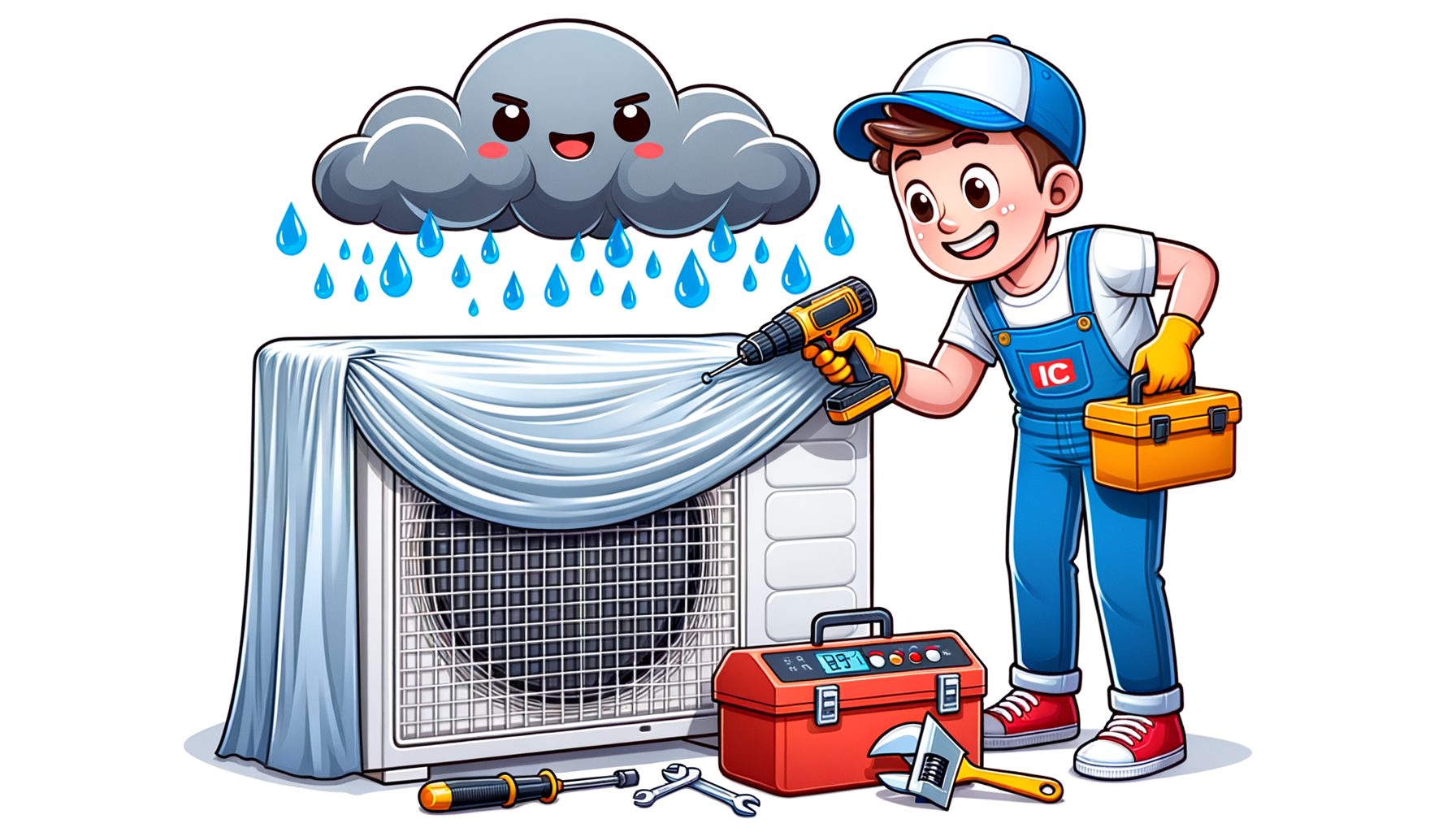
Rain rolls in with cooler breezes, yet it drags along sticky humidity, surprise power surges, and water sneaking into all the wrong places. If you’re aiming for clean air, steady comfort, and lower bills, prep your air conditioner for the rainy season with maintenance that truly pays off. The guide below lays out the biggest wet-weather threats and shows practical ways to head off leaks, mold, and breakdowns. By the end, you’ll know exactly what to do, what to avoid, and how to keep your AC efficient and your indoor air healthy even when the forecast refuses to cooperate.
The rainy-season problem: humidity, mold, and power surges
When heavy rains hit, outdoor humidity spikes and every door or window that opens pulls extra moisture inside. That added moisture becomes the top challenge for air conditioners in wet months. Once indoor relative humidity climbs above 60%, mold and dust mites can thrive, and the AC must first wring water from the air before it can cool effectively. Result: longer run times, more energy use, less comfort. The U.S. Environmental Protection Agency recommends keeping indoor humidity below 60% (ideally 30–50%) to curb mold growth and musty odors. More on humidity and mold risks can be found in the EPA’s resources at https://www.epa.gov/mold.
Moisture takes a toll on the machine, too. When damp coils meet dusty filters, a sticky biofilm can form; the coil surface gets insulated, heat transfer drops, and cooling weakens. A clogged condensate drain line is another rainy-season trouble spot. Algae and debris may block the line and force water to back up into the indoor unit or drip from the air handler. If your AC starts “sweating” excessively or you notice water stains around the unit, make the drain one of the first checks.
Electrical reliability adds a third wildcard. Storms are notorious for brownouts and voltage spikes. Compressors and control boards contain sensitive electronics, and a single surge can damage them, trigger costly repairs, or shorten lifespan. For that reason, surge protection and correct breaker sizing matter even more in wet weather. Between humidity, water management, and power stability, a little prevention goes a long way to protect your comfort, indoor air quality, and wallet.
Pre-season checklist to prepare your air conditioner
Begin with the air filter. A clean, properly rated filter keeps the coil clean, preserves airflow, and improves indoor air quality when windows stay shut. For most homes, a MERV 8–13 filter strikes the right balance between filtration and airflow. Households with pets, allergies, or urban pollution should upgrade within that range and check monthly during the rainy season. Guidance on MERV ratings from the EPA can help you choose: https://www.epa.gov/indoor-air-quality-iaq/basic-information-about-iaq#filters.
Well, here it is: one simple habit that prevents overflows—flush the condensate drain. Pour a cup of distilled white vinegar or a 3% hydrogen peroxide solution into the drain line access port to inhibit algae growth. If you see standing water in the pan, use a wet/dry vacuum on the outside drain line to clear the blockage. Adding a float switch or “wet switch” that shuts the system off when water backs up can prevent ceiling stains and water damage. These safety add-ons are inexpensive and pay for themselves the first time they stop an overflow.
Next, inspect insulation on the refrigerant lines. Look for cracked or missing foam on the larger suction line and replace it to prevent condensation drips and cooling losses. Make sure the air handler/indoor unit cabinet is sealed, and caulk any gaps where pipes or wires penetrate walls to block humid air infiltration.
Then this: protect your system from electrical stress. A whole-home surge protector or a dedicated HVAC surge protector at the disconnect adds crucial defense against storm-related spikes. The U.S. Department of Energy explains thermostat and energy tips here: https://www.energy.gov/energysaver/thermostats. Consider a smart thermostat with humidity readouts and “dry” or “dehumidify” features if your system supports them. Set up notifications for filter changes and maintenance reminders so you don’t forget during fast-moving seasons.
Before peak rains arrive, run a test cycle on a mild day. Set the mode to Cool, verify the outdoor fan and compressor start smoothly, and confirm strong airflow at vents. Listen for unusual noises, note any musty smell in the first minutes, and check that the thermostat reads accurately. If it has been 12 months or more since your last professional tune-up, book one now. Coils can be deep-cleaned, refrigerant charge measured, electrical connections verified, and minor issues caught by a licensed technician before the first big storm creates an outage.
Outdoor unit protection: drainage, clearance, and covers
Rain won’t harm a properly installed condenser; standing water, debris buildup, and restricted airflow will. First, confirm drainage. The slab or pad under the outdoor unit should be level and above grade so water flows away from the cabinet. If the area puddles during storms, raise the unit on a composite pad or an anti-vibration stand and regrade soil to direct runoff away. Avoid placing the condenser under roof valleys without a diverter—concentrated downpour can drive water and grit into the coil fins.
Keep proper clearance on all sides. Most manufacturers recommend at least 12–24 inches of open space around the unit and 60 inches above. Trim shrubs, remove leaves, and keep fences or stored items well away from the coil. Air needs a clear path through the fins; if anything blocks that path, efficiency drops and the compressor runs hotter. After shutting power off, the coil can be cleaned gently with a garden hose and low pressure from the inside out. Do not use a pressure washer. For heavy grime, a fin-safe coil cleaner works—follow the label and rinse thoroughly.
Think twice about covers. If the AC will operate during the season, don’t wrap the condenser in plastic or non-breathable fabric. Trapped moisture encourages corrosion and invites pests. If you expect a severe storm and plan to shut the system down, a breathable top cover that prevents leaves and sticks from falling in is fine temporarily. Remove it before restarting. In cyclone- or hurricane-prone regions, ask your installer about tie-down kits or hurricane straps that anchor the unit to the pad, and consider a louvered guard that deflects wind-blown debris without choking airflow.
Finally, mind the surroundings. Keep grass clippings away when mowing, and aim sprinklers away from the unit to avoid mineral deposits on fins. If you live in a flood-prone zone and water has ever reached the bottom of the condenser cabinet, consult a licensed contractor and review safety guidance from AHRI before re-energizing equipment after flooding: https://www.ahrinet.org/.
Indoor air quality, smart settings, and energy efficiency
Indoor comfort during rainy months hinges as much on humidity control as on temperature. A good target is 40–55% relative humidity. Use your thermostat’s “Dry” mode or integrated dehumidification if available; in that mode, the fan is slowed and moisture removal is prioritized so the coil can condense more water from the air. If your system lacks this feature and the home stays sticky even at reasonable temperatures, a standalone dehumidifier in the most humid spaces (like basements) can take pressure off the AC. Avoid running the indoor fan in “On” mode continuously during wet weather; it can re-evaporate water off the coil and push humidity back into rooms. “Auto” is typically the better choice.
Set realistic temperatures that balance comfort and efficiency. Ceiling or pedestal fans create a wind-chill effect, letting you raise the thermostat setpoint by 1–2°C and feel just as cool. The U.S. Department of Energy notes you can save up to about 10% a year by adjusting your thermostat 7–10°F (about 4–6°C) higher for portions of the day when you are away (https://www.energy.gov/energysaver/thermostats). During rainy season, many households settle around 24–26°C (75–78°F) with fans and proper humidity control for a sweet spot. Consistent settings also help reduce short-cycling, which is inefficient and can leave air damp.
Cleanliness inside your air handler drives both health and efficiency. Keep the filter clean, and schedule coil and blower cleaning if musty odors return quickly after startup. UV-C lamps or high-MERV filters may help in the right applications, but only when your system’s airflow capacity can support them; your technician should be consulted to avoid unintended pressure drops that strain the blower. If allergies are a concern, review local pollen reports and increase filter inspections during peaks.
The quick reference below shows how humidity impacts comfort and performance, along with simple actions to stay in the optimal zone.
| Indoor Relative Humidity | What You’ll Notice | Impact on AC | What to Do |
|---|---|---|---|
| Below 30% | Air feels dry; static electricity; dry skin | AC cycles less; comfort may feel “crisp” but dry | Raise setpoint slightly; consider humidifier in dry climates |
| 30–50% | Comfortable, fewer odors, less mold risk | Efficient cooling, stable runtime | Maintain filter changes and normal settings |
| 50–60% | Air starts to feel muggy; windows may fog | Longer runtime to remove moisture | Use Dry mode; ensure fan is on Auto; check drain and coil |
| Above 60% | Musty smells; mold risk; sleeping feels hot and sticky | Inefficient cooling; potential for condensate issues | Dehumidifier assist; deep clean coil; verify airflow and refrigerant charge |
For general maintenance best practices and seasonal tune-up guidance, ENERGY STAR’s homeowner checklist is a reliable reference: https://www.energystar.gov/saveathome/heating_cooling/maintain-your-air-conditioner.
Quick Q&A
Q: Should I cover my outdoor AC unit when it rains? A: No—not while it’s operating. Airflow must stay open. Use only a breathable top cover temporarily when the system is off to keep debris out, and remove it before restarting.
Q: Why does my AC leak water during rainy season? A: The condensate drain may be clogged with algae or debris. Flush it with vinegar or peroxide, vacuum the outside drain line, and consider adding a float switch to shut the unit off if water backs up.
Q: How often should I change filters in wet months? A: Check monthly and replace as needed. Homes with pets, smokers, or high dust may need changes every 30–60 days; others can go 60–90 days. Keep to the MERV 8–13 range for residential systems unless your installer specifies otherwise.
Q: Is “Dry” mode better than “Cool” in the monsoon? A: When the air feels damp, Dry mode can improve comfort and reduce mold risk by prioritizing moisture removal. If the room is already too warm, cool it down first, then switch to Dry to stabilize humidity.
Q: Do I need a surge protector for my AC? A: It’s smart protection in stormy areas. A whole-home surge protector or a dedicated HVAC surge device helps shield compressors and control boards from voltage spikes. What’s interesting too, the same protection often benefits other electronics in your home. Learn more from ESFI: https://www.esfi.org/resource/surge-protectors/.
Conclusion
Rainy season puts three pressures on your air conditioner: high humidity that strains cooling and invites mold, water exposure that threatens drains and coils, and electrical volatility that can damage sensitive components. By focusing on a clean filter, a clear condensate line, proper outdoor drainage and clearance, and smart thermostat settings that manage both temperature and humidity, comfort stays steady and bills remain predictable. Surge protection and a pre-season test add another layer of insurance when storms roll through. Together, these steps turn a vulnerable period into business as usual for your AC.
Take action today: check your filter, flush the drain, walk around the outdoor unit to confirm clearance and drainage, and set a calendar reminder to re-check after the first big storm. If it has been a year since a professional tune-up, schedule one before the peak of the rainy stretch so a technician can clean coils, verify charge, and test safety devices like float switches. If humidity is stubborn, enable Dry mode or add a dehumidifier in the dampest room to lighten the AC’s load. And don’t forget electrical protection; a small investment in surge control can save a compressor and prevent a hot, humid night without cooling.
You’re not at the mercy of the weather—preparation puts you in control. Use this guide as your rainy-season playbook, keep your AC running at its efficient best, and enjoy clean, comfortable air no matter how hard it pours. Ready to start? Pick one tip above and do it now; momentum is your superpower. Which quick win will you tackle first: filter, drain, or thermostat?
Sources:
EPA on mold and humidity: https://www.epa.gov/mold
EPA on air filters and MERV ratings: https://www.epa.gov/indoor-air-quality-iaq/what-merv-rating
ENERGY STAR AC maintenance: https://www.energystar.gov/saveathome/heating_cooling/maintain-your-air-conditioner
U.S. Department of Energy thermostat savings: https://www.energy.gov/energysaver/thermostats
ESFI on surge protection: https://www.esfi.org/resource/surge-protectors/
AHRI post-flood HVAC safety: https://www.ahrinet.org/