
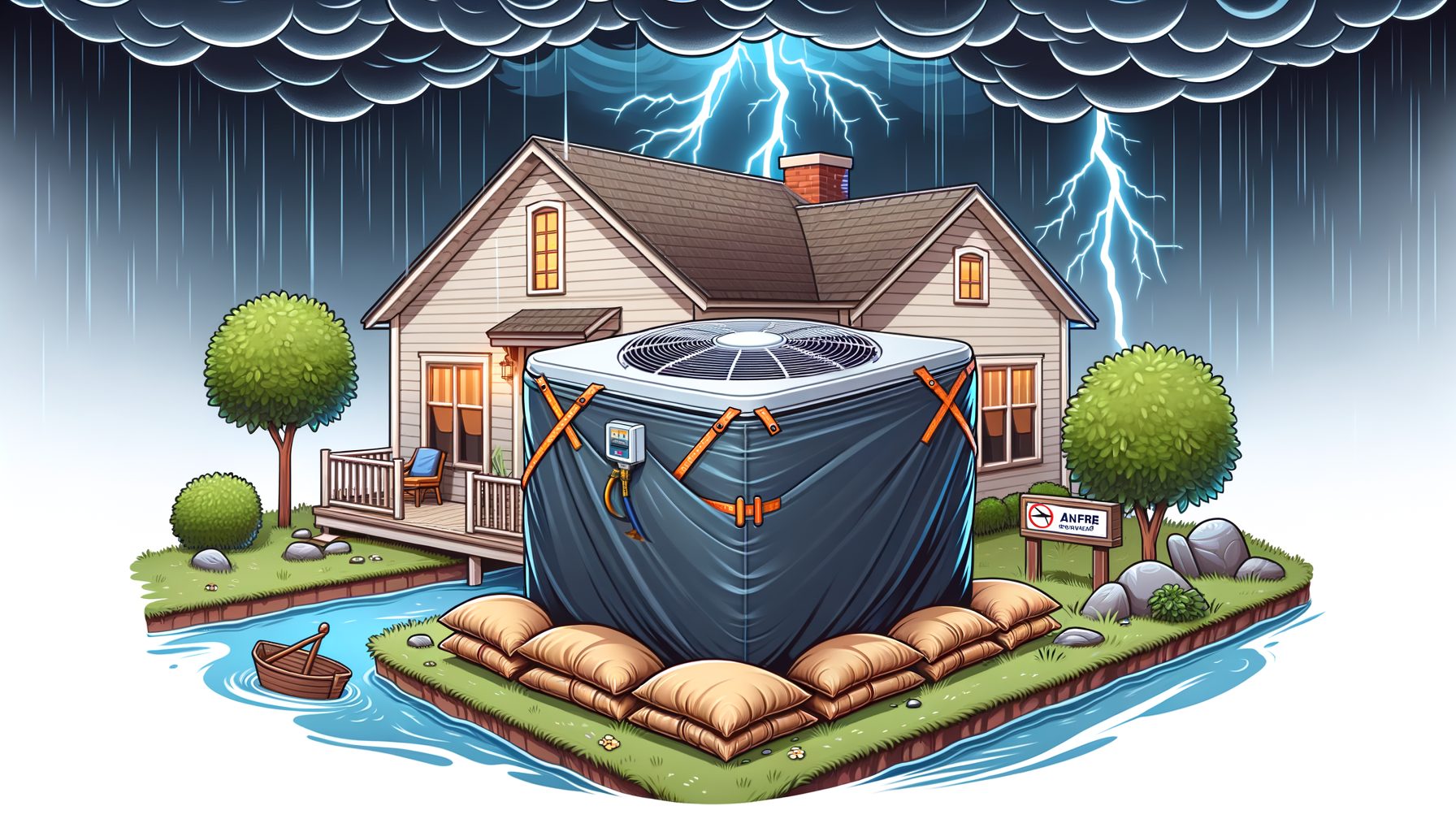
When a storm is on the horizon—whether it’s a hurricane, typhoon, monsoon, or a fast-moving thunderstorm—the last thing you want is a burned-out compressor or a flooded outdoor unit. Repairing or replacing an air conditioner is expensive, and in many regions, losing cooling also means risking indoor humidity problems and mold. Here’s a practical guide to protecting your AC during storms, with steps you can take before, during, and after severe weather. You’ll learn how wind, debris, lightning, and floods threaten your system, plus how to build a prevention checklist that actually works in real life. If you’ve ever wondered whether to switch off the breaker, cover the outdoor unit, or install a surge protector, keep reading—these answers can save your system and your wallet.
The real risks storms pose to your AC (and why they matter)
Air conditioners take a beating from severe weather in four main ways: wind and debris, water and flooding, power surges and lightning, and hail or flying objects. Know the risk, and you can choose the right defenses—especially because a bad “quick fix” (like wrapping a unit in plastic) can cause more harm than the storm itself.
Wind and debris are a double threat. High winds can tilt or shift an outdoor condenser if it’s not secured, stressing refrigerant lines and causing vibration damage. Flying debris—branches, roofing, gravel—can pierce the coil, bend fins, or break fan blades. Hail can dent coils enough to reduce airflow and efficiency. If you’ve ever heard a unit buzzing loudly after a storm, misalignment and debris strikes are common culprits.
Water is equally serious. Heavy rain usually isn’t a problem for outdoor units designed to shed water; flooding is. Submerged electrical components and motors can short, corrode, or fail weeks later. In coastal or flood-prone areas, even 10–20 cm of standing water can push silt into cabinets and ruin bearings and electronics. If water reaches the electrical panel on the unit, don’t restart it until a technician inspects it.
Power quality and lightning create hidden but costly damage. A close lightning strike—or even distant grid fluctuations during a storm—can send a surge through your home’s wiring that fries control boards and capacitors. That’s why many storm-season failures are electrical, not mechanical. The good news: whole-home and dedicated-circuit surge protection, properly installed, dramatically reduces risk.
For context, here’s how storm hazards stack up against AC risks and quick actions you can take.
| Storm Hazard | Typical AC Risk | Quick Action |
|---|---|---|
| High wind (e.g., tropical storm or Category 1 hurricane) | Debris impact, unit shifting, bent fins | Clear 1–2 m around unit; anchor base; fitted hail/impact guard |
| Flooding / heavy rainfall | Electrical short, corrosion, contamination | Elevate condenser in flood zones; turn off power if water rises; wait for pro inspection after submersion |
| Lightning / grid surges | Burned control boards, failed capacitors | Install whole-home + dedicated surge protectors; switch off at breaker during severe lightning |
| Hail / flying debris | Dented coils, broken fan blades | Use hail guard or rigid top cover when unit is off; remove before restarting |
To learn more about storm categories and wind speeds, review the Saffir–Simpson scale from the U.S. National Hurricane Center: NHC Saffir–Simpson Scale. For lightning safety and surge awareness, see the National Weather Service guidance: NWS Lightning Safety, and energy tips on surge protection: U.S. DOE: Surge Protection.
Before the storm: a proven prevention checklist
Preparation is where you get the biggest return. A few small upgrades and habits will dramatically reduce storm-related failures. The goal is simple: remove hazards, secure the unit, protect electronics, and plan for a safe restart.
Begin with the area around your outdoor unit. Remove loose items (planters, tools, toys) within 1–2 meters. Trim branches that could break and strike the condenser. Check that the unit sits level on a sturdy pad; in flood-prone areas, consider elevating the condenser on a code-compliant stand. If your area sees hail, add a manufacturer-approved hail guard or a rigid top cover designed for your model. Avoid plastic tarps that trap moisture—if you use a cover, it must be breathable and removed before operation.
Electrical protection is the next layer. Ask a licensed electrician to install a whole-home surge protector at the main panel, plus a Type 2 or dedicated surge device on the AC circuit or disconnect. That two-stage defense helps handle both big surges and smaller spikes. While you’re at it, label the AC breaker so anyone in the home can safely switch it off before a severe storm.
P>Maintenance matters, too. Clean coils and straight fins shed water better and resist damage from minor debris. Replace the air filter and confirm proper refrigerant charge during seasonal service—an overworked or dirty system is likelier to fail when the power flickers. ENERGY STAR’s maintenance tips are a solid baseline: ENERGY STAR: HVAC Maintenance.
Finally, make a storm plan:
- Decide when to switch the AC off (e.g., when lightning approaches or high winds begin).
- Pre-cool the home a few degrees before the storm to maintain comfort if you turn the system off.
- Prepare photos of your unit and serial plate for potential insurance claims.
- If you rely on a portable generator, confirm your AC’s starting amperage and never backfeed the panel; use a transfer switch installed by a professional.
These steps are simple but powerful. Not only do they reduce physical damage—they also shorten downtime after the storm, helping you get cool again safely and quickly.
During the storm: what to do (and what to avoid)
Once severe weather arrives, your priority is safety and preventing avoidable electrical damage. If lightning is active or grid power is unstable, turn the AC off at the thermostat and then switch off the dedicated breaker. Doing so reduces the chance of a surge frying the control board or capacitor. If you pre-cooled the home, you’ll retain comfort longer—and you won’t be asking delicate electronics to ride out brownouts and spikes.
What about covers? If you’re using a rigid top cover or a breathable, manufacturer-approved cover to shield from debris, only apply it after the unit is off and will remain off. Never run your air conditioner while it’s covered; blocking airflow can overheat the compressor in minutes. Avoid improvised plastic wraps or tarps that trap moisture; they can accelerate corrosion and invite pests.
Stay clear of the outdoor unit during high winds. Don’t try to brush off leaves or move nearby objects mid-storm. If water levels begin to rise around the condenser, do not wade in to switch anything—water can be energized. If flooding is likely, the safest move is to cut power at the breaker panel before water reaches equipment. For homes using generators, remember that most portable units cannot safely start or run a central AC without a soft-start kit, proper sizing, and safe switching. Improper generator use not only damages equipment; it creates deadly carbon monoxide risks. Review generator safety from the CDC: CDC: Generator Safety.
Finally, keep an eye on power quality. Frequent flickers or dimming lights signal grid stress. Cycling an AC in those conditions is hard on compressors. Leave the system off until voltage stabilizes. When wind, lightning, and water subside, you’ll be in a better position to restart without surprise failures.
After the storm: safe inspection and restart
Post-storm, resist the urge to immediately turn the AC back on. A short, careful inspection can prevent a costly burnout. Begin with a visual check from a safe distance. If you see standing water, downed lines, or obvious damage, keep power off and call a licensed HVAC technician. If the area is clear and dry, look for bent panels, hail dents on the coil, displaced refrigerant lines, or debris stuck in the fan grille.
Next, open the outdoor disconnect (if you have one) and check for signs of water intrusion or scorched components. Do not touch anything if it’s wet. Indoors, replace the air filter if it got damp during the storm. At the main panel, confirm the breaker wasn’t tripped. If it was, do not repeatedly reset it—investigate why it tripped first.
If the unit was submerged or splashed significantly, allow time to dry and schedule a professional inspection. Motors and contactors exposed to water can fail later even if they start now. If you installed surge protection, check indicator lights to verify devices are still active; many sacrificial surge protectors must be replaced after major events.
When you’re confident conditions are safe, restore power at the breaker, wait five minutes to equalize pressures, then turn the thermostat to cooling. Listen for unusual noises (rattling, grinding, buzzing) and watch the outdoor fan. Go back after 15–20 minutes to confirm the larger refrigerant line is cool and sweating and that indoor air feels cooler and drier. If you notice weak airflow, warm air, or tripping breakers, shut the system down and call a pro. For broader preparedness, FEMA and Ready.gov offer storm checklists and tips for securing outdoor equipment: Ready.gov: Hurricanes.
Document everything—photos, notes, invoices—especially if you’ll file an insurance claim. Clear records help adjusters approve repairs faster and with fewer questions.
Q&A: common questions about ACs and storms
Should I turn off my AC during every thunderstorm?
Not every storm requires it, but if lightning is frequent or power is unstable, switching off at the thermostat and breaker is a smart precaution. Surge protection lowers risk, but no device is 100% effective against a direct strike. For quick-moving storms, pre-cool the space, then shut down until conditions stabilize.
Is covering the outdoor unit a good idea?
Use only a rigid top or a breathable, manufacturer-approved cover—and only while the unit is off. Avoid plastic wraps or tarps that trap moisture. Always remove any cover before restarting to ensure proper airflow. In hail-prone areas, purpose-built hail guards are often better than full covers.
Can I run my central AC on a portable generator?
Usually not without careful planning. Central ACs have high starting currents that exceed many portable generators’ capabilities. If you plan to use backup power, work with a licensed electrician to size a generator, add a soft-start (if appropriate), and install a transfer switch. Never backfeed, and follow CO safety rules.
What’s the difference between whole-home and dedicated surge protection?
A whole-home surge protector at your main panel clamps big surges coming from the grid. A dedicated or point-of-use device near the AC adds another layer to catch smaller spikes. Using both offers better protection for sensitive control boards and electronics.
Conclusion: make your plan now—your future self will thank you
Storms threaten your AC in four predictable ways: wind-borne debris, water and flooding, lightning and power surges, and hail impacts. You now know how each hazard damages coils, fans, and control boards—and how simple actions like clearing the area, anchoring the base, installing surge protection, and using proper covers can dramatically lower your risk. You also picked up a step-by-step plan for what to do before a storm (declutter, protect, maintain), during a storm (shut down safely, avoid improvised covers, respect flooding and lightning), and after a storm (inspect, dry, restart carefully, document issues).
Now is the best time to act. Build your checklist, label the AC breaker, and schedule preventive maintenance before storm season peaks. If you live in a flood or hail zone, talk to a licensed pro about elevating the condenser and adding a hail guard. Ask an electrician for whole-home and dedicated surge protection, and review generator safety if backup power is part of your plan. Ten minutes of preparation can save days of sweltering downtime and the cost of a major repair.
If this guide helped, share it with a neighbor or teammate and set a 30-minute reminder today to clear the area around your outdoor unit. Small habits compound—your AC will run safer, longer, and more efficiently when the weather turns wild. Ready to protect your AC during storms and avoid surprise breakdowns? Start your checklist, book that maintenance visit, and sleep easier the next time the sky turns dark. You’ve got this—what’s the first item you’ll tackle today?
Sources and further reading
– National Hurricane Center: Saffir–Simpson Scale — https://www.nhc.noaa.gov/aboutsshws.php
– National Weather Service: Lightning Safety — https://www.weather.gov/safety/lightning
– U.S. Department of Energy: Surge Protection — https://www.energy.gov/energysaver/articles/surge-protection
– ENERGY STAR: HVAC Maintenance — https://www.energystar.gov/saveathome/heating-cooling/maintenance
– Ready.gov: Hurricanes — https://www.ready.gov/hurricanes
– CDC: Generator Safety — https://www.cdc.gov/co/generatorsafetyfactsheet.html