
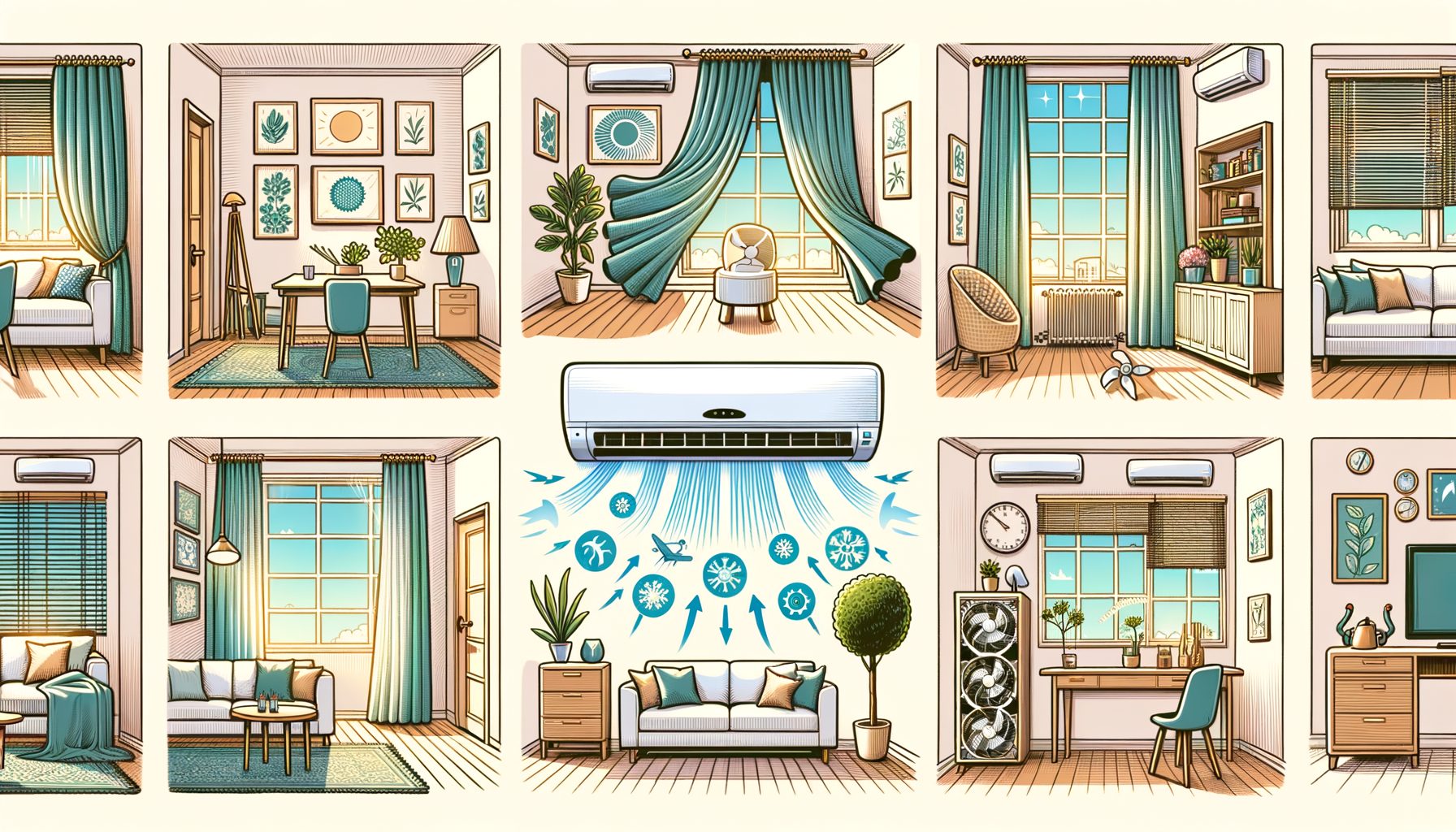
AC running full tilt yet the room still feels warm and patchy? You’re not alone. The main problem isn’t always the air conditioner—it’s the room itself. With a handful of smart design moves, you can dramatically boost cooling, trim energy use, and make the space feel instantly fresher. Here’s how interior layout, materials, and small tech upgrades can optimize airflow, reduce heat gain, and deliver real comfort—fast. If you’ve ever wondered why the AC struggles in the afternoon or certain corners never cool down, keep reading for practical, data-backed fixes you can use today.
Understand the Problem: Why Rooms Stay Hot Even with the AC On
Before you slide a sofa or buy a gadget, know the enemy. In most homes and apartments, heat sneaks in from several sources—sun-soaked windows, heat-emitting electronics, uninsulated walls, and even people. As these loads stack up, the AC must run longer to hit the set temperature. When return vents are blocked or airflow paths are cramped, circulation stalls, and you’re left with hot and cold zones that feel frustrating and inefficient.
Sun exposure is the biggest culprit in many spaces. South- and west-facing windows build up solar heat through the afternoon, and that warmth radiates into rooms for hours. Even double-glazed windows can pass along heat if low-e coatings or shading are missing. What’s interesting too: large appliances, gaming PCs, and TVs add “hidden” heat—sometimes hundreds of watts. In tight or poorly ventilated layouts, heat collects near the ceiling and in corners, while the thermostat (often in a hallway) thinks everything is fine, creating a mismatch between the setpoint and how you actually feel.
Airflow matters just as much as temperature. Furniture placed in front of supply vents, rugs covering floor registers, or closed interior doors can trap cool air in the wrong spots. Return vents—the ones that pull air back to the system—need open pathways, or airflow will be choked. Even dirty filters or dusty coils reduce both airflow and cooling capacity. Add humidity—common in coastal or tropical regions—and comfort drops further because moist air makes heat feel more intense and slows your body’s natural cooling.
To decide what to tackle first, glance at the usual suspects behind heat gain. The exact percentages vary by climate and building, but the ranges below reflect commonly reported contributions in residential energy studies.
| Source of Heat Gain | Typical Contribution (Range) | Notes |
|---|---|---|
| Solar heat through windows | 25%–45% | Higher for west/south windows without shading |
| Walls/roof conduction | 15%–30% | Insulation and color significantly affect this |
| Infiltration (air leaks) | 10%–20% | Gaps at doors, windows, and duct leaks |
| Internal loads (people, lights, electronics) | 10%–25% | Gaming PCs and large TVs can add substantial heat |
Bottom line: you don’t need a bigger AC to feel cooler. Reduce incoming heat and smooth out airflow. The next sections show you exactly how—with layout tweaks, material choices, and smart controls that play to your AC’s strengths.
Layout and Furniture Hacks to Maximize Airflow and AC Return Paths
Think of your AC like a circulatory system. Supply vents “pump” cool air into the room, and return vents “pull” warm air back. When furniture blocks either, pressure and flow drop, so the AC works harder for weaker results. The goal is clear pathways from supply to return so cool air sweeps across the room instead of pooling in dead zones.
First, give vents breathing room: keep large furniture 30–60 cm (12–24 inches) away from supply and return openings. Don’t park tall bookshelves or sofas directly in front of wall registers. With floor supplies, choose short-legged furniture or use risers so air can travel underneath. Door undercuts—a small gap under interior doors—are crucial. Without them, closed doors isolate rooms and trap cool air. If your door drags on carpet, consider trimming it slightly or adding a transfer grille so airflow continues even when the door is shut.
Next, aim the air where you need it most. Clip-on vent deflectors can redirect air upward and across the room, helping it mix into the space instead of chilling your ankles. For wall-mounted split ACs, angle the louver so the cool stream runs parallel to the ceiling; it will travel farther, blend better, and reduce hot spots. In long rooms, a quiet oscillating fan near the far end can “pull” conditioned air across the space and back toward the return, evening out temperatures without lowering the thermostat.
Now, zone the heat sources. Group electronics on a power strip so you can switch them off fully when not in use—many devices draw standby power and emit heat. Keep desk setups and gaming rigs away from thermostat locations; localized heat can trick the thermostat into overcooling or undercooling the rest of the home. If a workstation must stay in a small room, use a laptop stand and an external keyboard to allow airflow around the device, and place a small, low-wattage fan to disperse heat.
Finally, declutter the air paths. Curtains draping over floor vents, oversized plant pots near returns, and storage boxes tucked by registers all hinder circulation. Do a quick “airflow audit”: stand near each vent while the AC runs and feel whether air is strong and unobstructed. If a vent feels weak, remove obstacles, clean the register, and check the filter. Small tweaks like these often deliver an immediate, noticeable bump in comfort—without spending a cent.
Light, Color, and Materials: Reduce Heat Gain Without Major Renovations
Design choices directly influence temperature. Light, reflective finishes absorb less heat, and the right window treatments block solar radiation before it enters. Renters and weekend DIYers can still make meaningful changes.
Windows come first. Solar shades, blackout curtains, and reflective blinds can cut solar heat gain by 30%–60%, especially on west and south exposures. For a minimalist look, try low-e window film; many DIY films reflect infrared heat while preserving visible light, keeping rooms bright but cooler. Love natural light? Layer sheer shades with thermal curtains: keep sheers drawn for glare control during the day, then close thermal curtains before peak sun to prevent heat buildup. Heat kept out is heat your AC doesn’t have to remove.
Color matters—more than most people think. Light-colored walls, ceilings, and large furniture pieces reflect more light and take on less heat. A pale rug on dark flooring reduces heat buildup and limits radiant warmth from sunlit floors. In kitchens and media rooms, choose efficient LEDs; they produce far less heat than halogens or incandescents, and the difference is obvious during long study or gaming sessions.
Textiles and materials can reshape microclimates. Breathable cotton or linen upholstery and bedding reduce that sticky feeling in humid weather. Thermal-lined curtains create a barrier to heat flow. If your space features lots of glass or tile (which can radiate the sun’s heat into the room), add area rugs and fabric wall hangings to soften that effect. Plants help too—not by cooling the air much, but by shading surfaces and reducing glare, which can make a room feel cooler and curb the urge to overcool.
When comparing window treatments, check the Solar Heat Gain Coefficient (SHGC). Lower numbers allow less solar heat to pass through. Here’s a quick comparison:
| Window / Treatment | Typical SHGC | What It Means for Cooling |
|---|---|---|
| Clear single-pane window | 0.70–0.85 | High heat gain; needs shading |
| Double-pane, low-e glass | 0.30–0.55 | Moderate to low heat gain |
| Solar shade (medium openness) | Reduces 30%–50% of gain | Balances view, light, and cooling |
| Blackout/thermal curtain | Reduces 40%–60% of gain | Great for west-facing rooms and bedrooms |
| Low-e window film (DIY) | Reduces up to ~50% IR heat | Budget-friendly, renter-compatible |
Timing seals the deal: close blinds or curtains before direct sun hits, not after. Once surfaces heat up, they re-radiate warmth for hours, and the AC must fight that thermal inertia. With the right treatments and lighter surfaces, you’ll visibly cut heat gain—and feel cooler at the same thermostat setting.
Smart Devices and Settings: Thermostats, Fans, Zoning, and Maintenance
Technology can amplify everything you’ve done with design. A smart thermostat, ceiling fan, and a disciplined maintenance routine together can improve cooling and lower bills—no new AC required.
Start with setpoints and schedules. A reliable rule of thumb from energy agencies: raising your thermostat by 1°C (about 2°F) can save roughly 3%–5% on cooling energy. Use ceiling fans to compensate; the wind-chill effect can make you feel 2–3°C (4–6°F) cooler, letting you raise the setpoint without sacrificing comfort. In summer, set fans to rotate counterclockwise to push air downward. Turn fans off when you leave—fans cool people, not rooms.
A smart thermostat can pre-cool your space before peak heat and ease off during expensive utility hours. Use geofencing (home/away detection) to avoid cooling empty rooms. If humidity is a problem, enable dehumidification features or pair your AC with a standalone dehumidifier; drier air feels cooler and reduces that heavy, muggy sensation. Aim for indoor relative humidity of 40%–55% to maintain comfort and discourage mold growth.
Maintenance is the silent multiplier of performance. A dirty filter reduces airflow and can lower cooling capacity while stressing the system. Check filters monthly during peak season and replace them every 1–3 months depending on dust and pets. For most homes, MERV 8–11 balances filtration and airflow; high-MERV filters (12–13) are great for air quality but may require equipment that can handle the extra resistance. Clean supply and return registers, and if it’s been years, consider professional coil cleaning. Duct leakage is another hidden energy sink; many homes lose 20%–30% of conditioned air through leaks. Sealing ducts (especially in attics) pays back fast.
Where possible, create simple “zoning” with door discipline and fans. Keep doors open in rooms that overheat so air can mix. If one room always lags, a quiet inline duct booster fan (on a smart plug) can help pull more cooled air when the AC runs. Portable air purifiers can indirectly help by keeping filters cleaner and airflow steadier, especially in dusty environments.
Use data to guide adjustments. A low-cost indoor thermometer/hygrometer shows whether discomfort stems from temperature, humidity, or both. If your thermostat sits in a hallway, add remote sensors in problem rooms; many smart thermostats average readings or target a specific room at certain times, solving “cool hallway, hot bedroom” woes. You’ll dial in comfort faster—and your AC won’t have to guess.
Nighttime and Seasonal Strategies: Cross-Ventilation, Night Flushing, and Heatwave Prep
Comfort isn’t only about what happens when the AC runs; timing and habits across the day matter. If nights cool down where you live, use cross-ventilation and night flushing to reset the space. Open windows on opposite sides of your home (or high and low on a staircase) to create a breeze that purges stored heat. A box fan pointed outward in a window can exhaust hot indoor air quickly while drawing in cooler air from another opening. Close windows and blinds early in the morning to trap that coolness before the sun climbs.
During heatwaves, think defense first. Pre-cool in the late morning when outdoor temperatures are moderate, then block solar gain aggressively in the afternoon with curtains and shades. Minimize indoor cooking; use a microwave, air fryer, or grill to avoid dumping extra heat into the kitchen. Turn off unused lights and electronics; even small devices add up. If you must run a clothes dryer, save it for evening. For apartments without cross-ventilation, place a fan near the coolest window at night and an exhaust fan in the warmest window to create a makeshift airflow loop.
Humidity strategy depends on climate. In dry regions, nighttime ventilation is effective; in humid regions, bring in outside air only when the outdoor dew point is below indoor conditions. A simple test: if opening a window makes the space feel clammy, stop and rely on AC plus dehumidification instead. Run bathroom exhaust fans for a few minutes after showers to reduce indoor moisture, and fix leaks promptly to protect both comfort and air quality.
Consider seasonal mini-projects. Install removable low-e film before summer, replace worn weatherstripping on doors and windows, and add door sweeps to curb infiltration. If your ceiling fans are reversible, switch to clockwise at low speed in winter to gently recirculate warm air without creating a draft—then back to counterclockwise in summer. Over the year, these small habits keep your home responsive and your AC efficient.
Lastly, stay safe. In extreme heat, health comes first. Know local cooling centers and check room temperatures for kids, elderly family members, and pets. Hydration matters, and fans alone aren’t enough once indoor temperatures rise above body temperature without adequate air movement and humidity control. Plan ahead so your cooling strategy protects both comfort and well-being.
Q&A: Quick Answers to Common Cooling Questions
Q: Is it better to keep interior doors open or closed when the AC is running?
A: In most homes, open doors improve airflow and reduce room-to-room temperature differences, unless you have a professionally designed zoning system.
Q: Do ceiling fans actually lower the temperature?
A: Fans don’t change the air temperature; they increase evaporation from your skin and improve air mixing, making you feel 2–3°C (4–6°F) cooler at the same thermostat setting.
Q: What’s the ideal indoor humidity for comfort?
A: Aim for 40%–55% relative humidity. Below 35% can feel dry; above 60% often feels muggy and can encourage mold growth.
Q: How often should I replace my AC filter?
A: Check monthly during peak season and replace every 1–3 months depending on dust, pets, and filter type. If airflow seems weak or the filter looks dirty, change it sooner.
Q: Do blackout curtains really help in the afternoon?
A: Yes. Quality thermal/blackout curtains can reduce solar heat gain by 40%–60% on west- and south-facing windows, easing the load on your AC.
Conclusion: Turn Design Into Comfort—Starting Today
Let’s recap. Your AC’s performance depends as much on the room as on the unit itself. By understanding where heat comes from and how air moves, you can make smart, low-cost changes that pay off every day. Clear airflow paths with strategic furniture placement. Block sun before it enters using layered window treatments and lighter colors. Leverage smart thermostats, ceiling fans, and humidity control to fine-tune comfort without cranking the setpoint. Use nighttime cooling and seasonal habits to reset your space and protect your health during heatwaves. None of these steps are complicated—but together, they transform how your home feels.
Ready to get results now? Run a 30-minute “cooling makeover” in one room: open vents, shift furniture away from registers, set fans to summer mode, close blinds before the sun hits, and check your filter. Next, nudge the thermostat 1–2°C higher and feel the difference. Still uneven? Add a vent deflector or a small circulating fan to pull cool air across the space. Track temperature and humidity with a simple sensor for a week, and adjust your schedule based on what you see. You’ll quickly discover the combo that works best for your layout and climate.
Comfort isn’t just about cold air—it’s about smart design. Every tweak reduces wasted energy and improves daily life. Start small, stay consistent, and build your toolkit over time. If this guide helped, share it with a friend who’s always battling a hot room, and try one new tip together this week. Cooler days and better energy bills are within reach. What’s the first change you’ll try today?
Useful Resources and Sources:
– U.S. Department of Energy – Energy Saver: Air Conditioning and Ventilation: https://www.energy.gov/energysaver/
– ENERGY STAR – Cooling Tips and Thermostat Settings: https://www.energystar.gov/
– ASHRAE Thermal Comfort Guidelines: https://www.ashrae.org/technical-resources/standards-and-guidelines
– EPA – Indoor Air Quality Basics: https://www.epa.gov/indoor-air-quality-iaq
– Lawrence Berkeley National Laboratory – Windows and SHGC Information: https://windows.lbl.gov/
– WHO – Heat and Health Guidance: https://www.who.int/health-topics/heat