
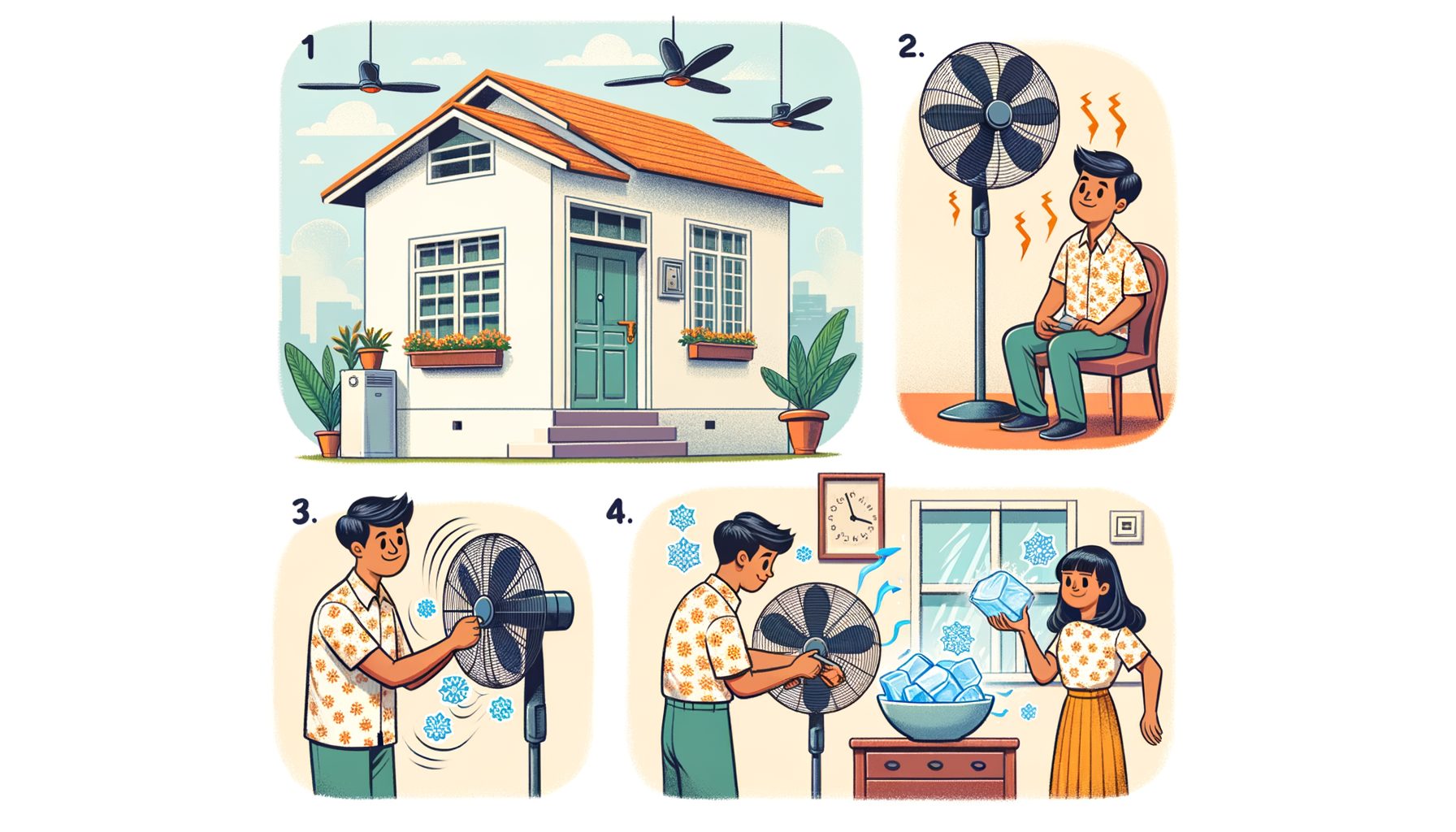
Heat waves are hitting harder and lasting longer, and power bills keep climbing. If afternoons leave you sweating, nights feel restless, or you want to cut carbon without giving up comfort, you’re in good company. The upside: you can cool a home without air conditioning using proven, energy-smart tactics that reduce heat at the source, move cooler air where it matters, and make rooms feel better right away. What follows is a set of practical steps—rooted in building science and real-world fixes—to help you stay cool, save money, and keep your routine simple.
Understand Where Heat Enters—and Block It First
Homes usually overheat for three main reasons: sunlight blasting through glass, outdoor heat conducting through roofs and walls, and warm air sneaking in through gaps. Start here for faster, deeper temperature drops than you’ll get by chasing symptoms later. Sun-struck windows cause the biggest spikes. According to the U.S. Department of Energy (DOE), a large share of unwanted heat comes from solar gain, and ordinary glass turns sunlight into indoor heat with ease. Exterior shading is the first, best move: fixed awnings, operable shutters, exterior roller shades, or even a simple shade sail can slash solar gain before it gets inside. DOE reports that awnings can cut heat gain on south-facing windows by 50–65% and on west-facing windows by 72–77%—numbers that translate to cooler rooms without flipping a switch.
Inside the room, deploy reflective blinds, thermal curtains, or cellular shades. Close them before sunlight hits each pane, not afterward. Put the light-colored side toward the sun to reflect heat; a darker, textured interior face helps absorb and dissipate what gets through. Renters can use removable window films with a low solar heat gain coefficient (SHGC) to tamp down midday spikes without violating lease terms. Owners might upgrade to low-e windows; check the NFRC label for SHGC and U-factor suited to your climate.
Roofs soak up heat and radiate it downward. A “cool roof”—lighter color or a reflective coating—can lower roof surface temperatures by up to 50°F and help bring indoor temps down, according to the U.S. EPA. In attics, radiant barriers reflect radiant heat, especially in hot, sunny regions, while air sealing and insulation slow conduction and infiltration. Small details carry weight: cover skylights with exterior shade fabric, install a tight attic-hatch cover, and add weatherstripping around window sashes and doors. In one top-floor walk-up I weatherized, tightening a leaky attic hatch alone cut peak afternoon temperature by 2–3°F.
Quick-reference estimates to guide your plan:
| Action | What it does | Typical impact | Best use | Cost |
|---|---|---|---|---|
| Exterior awnings/shades | Blocks sun before it hits glass | 50–77% less window heat gain (DOE) | South/West windows | $$–$$$ |
| Thermal/reflective curtains | Reduces indoor solar gain | Noticeable room temp drop | Any sun-exposed room | $–$$ |
| Cool roof or reflective coating | Lowers roof surface temperature | Up to 50°F roof temp drop (EPA) | Top floors, sunny roofs | $$–$$$ |
| Air sealing + insulation | Stops hot air leaks, slows heat flow | 10–20% energy savings (ENERGY STAR) | All homes, all climates | $–$$$ |
For climate-agnostic results you can trust, attack solar gain first, then conduction, then infiltration. Cut the heat load up front and every other tactic works better.
Strategic Ventilation and Night Cooling
Ventilation means more than “open a window.” Done right, it flushes stored heat out of walls, floors, and furniture and replaces it with cooler night air. Timing plus airflow is the recipe. When nights run at least 5–10°F (3–6°C) cooler than indoors, try “night purging”: open windows on opposite sides for cross-ventilation and put a box fan blowing out on the hottest side (often west), with another fan pulling cooler air in from the shaded side (often north or east). Higher openings exhaust heat faster—crack an upper window or stairwell, if you have one, to harness the stack effect. By sunrise, close windows and shades to trap the coolness. In my own top-floor apartment, that routine consistently dropped bedroom temperature from 29°C to 24–25°C by morning during a heat wave.
Fans boost comfort by speeding sweat evaporation; your body can feel roughly 4°F cooler with a ceiling fan, per Energy.gov. In summer, set ceiling fans to spin counterclockwise to push air downward. Remember the rule: fans cool people, not rooms, so switch them off when you leave. For spaces without a natural cross-breeze, improvise one: place an inward-facing fan at a shaded window and an outward-facing fan across the room to create steady flow. Keep pathways—under doors, through halls—clear to prevent pressure bottlenecks.
Humidity changes the strategy. Ventilate aggressively when outdoor air is cooler and not too humid. If it’s hot and muggy, keep windows closed during the day to avoid pulling in moisture that makes heat feel worse; run a dehumidifier to hold 40–60% relative humidity. In dry climates (or dry spells with dew point under ~55°F/13°C), simple evaporative tricks help: air-dry laundry indoors during the hottest hours, hang a damp (not dripping) sheet in front of an intake fan, or use a small evaporative cooler. What’s interesting too, if wildfire smoke or pollution is common, you can fit a box fan with a MERV-13 filter or use a portable HEPA purifier during ventilation to keep indoor air healthy. Whole-house fans can purge heat quickly at night, but adequate attic venting is needed to avoid backdrafting and pressure issues.
Daily schedules matter as much as hardware: early-morning chores, late-evening workouts, quiet afternoons. Ventilation works best when paired with shade and insulation—combine tactics for a compound cooling effect.
DIY Sealing, Insulation, and Low-Tech Upgrades That Matter
Air sealing and insulation sound like winter jobs, yet they shine in summer too. Hot air finds its way in through door bottoms, window frames, attic hatches, and outlets on exterior walls. On a windy day, use incense or a strip of tissue to spot leaks; wherever smoke or paper flickers, seal it. Add weatherstripping to doors and operable windows, a door sweep at the threshold, foam gaskets behind outlet covers, and caulk where trim meets walls. According to ENERGY STAR, sealing and insulating can trim household energy use by 10–20%, and the comfort gains—less draft and heat creep—arrive immediately.
Insulation slows conductive heat. If you can reach your attic, check levels and top up to your climate’s recommended R-value; insulate and weatherstrip the attic hatch so it isn’t a giant thermal leak. In sun-heavy rooms, pair interior thermal curtains with tight-fitting tracks to minimize side gaps. For renters, removable, clear window inserts add an extra air layer without permanent changes.
Cut heat at the source indoors. Swap incandescent bulbs for LEDs; incandescent lamps throw off about 90% of their energy as heat, while LEDs use up to 75% less electricity and run far cooler. Cook smart: microwaves use up to 80% less energy than ovens for similar tasks, per ENERGY STAR, and they keep heat out of your kitchen. Try induction hot plates, pressure cookers, or batch-cook in the cool morning. Run dishwashers and laundry at night, and use bathroom and range hood fans to exhaust hot, humid air right at the source. Unplug chargers and idle electronics; if they feel warm, they’re adding heat. Then this: if you have a dehumidifier, set 50–55% RH to improve perceived comfort without over-drying.
Upgrades like these are inexpensive, renter-friendly, and measurable. Track your indoor temperature and humidity with a simple sensor for a week before and after changes. You’ll see flatter peaks and better nighttime recovery—evidence your home is resisting heat, not just enduring it.
Cooling With Water, Plants, and Shade: Passive Tricks That Work
Nature has powerful, low-tech cooling up its sleeve. Shade is king: plant a deciduous tree on the west or southwest side to block brutal afternoon sun while letting winter light through. The EPA reports that trees and vegetation can lower surrounding air temperatures by 2–9°F via shade and evapotranspiration. Renters aren’t left out—fast-growing vines on trellises or planters along sun-baked walls create a living, removable shade screen. For windows, exterior shutters or bamboo screens deliver instant relief and a distinctive look.
Water cools by evaporation. Outdoors, a fine-mist sprayer or a timed hose mister under an awning can drop patio temperatures significantly in dry climates, and that cooled air spills indoors if you position an intake fan at a nearby door. Indoors, keep strategies modest to avoid unwanted humidity: spot-cool with a bowl of ice in front of a fan for short bursts, air-dry laundry during the driest part of the day, or place a damp cloth over your neck and wrists to cool the body directly. In humid regions, lean harder on shade and air movement, and use dehumidification rather than adding moisture.
Roofs and exterior surfaces influence indoor comfort more than most people think. Light-colored or reflective exterior paint and pavers stay cooler in sun, decreasing heat radiated toward windows. A simple shade sail over a sunlit wall can make a surprising difference inside. If you can access your roof, explore cool roof coatings or reflective membranes; the EPA notes substantial cuts in roof and indoor temperatures with these upgrades. Well, here it is: even small steps help—reflective film on a skylight, a pergola with climbing plants, or movable umbrellas that follow the sun. For multi-unit buildings, advocate for shared shade trees, light-colored roofing, and reflective parking surfaces to ease the neighborhood’s heat island effect.
Safety note: fans are excellent for most heat events, but when indoor temperatures climb extremely high and humidity is also high, fans alone may not prevent heat illness. The CDC advises combining shade, hydration, cool showers, and rest; seek air-conditioned public spaces if necessary. Blend passive cooling, smart ventilation, and personal cooling habits for layered protection.
Q&A: Common Questions About Staying Cool Without AC
Q: Do fans actually cool rooms?
A: Fans cool people, not rooms. They speed sweat evaporation, making you feel about 4°F cooler (Energy.gov). Turn them off when you leave to save energy. Use fans to pull cooler outdoor air in at night and push hot air out on the sunny side.
Q: When should I open and close windows?
A: Open when outdoor air is cooler and drier than indoors—often late evening to early morning. Create cross-ventilation with two openings on opposite sides and use a fan to exhaust on the hot side. Close windows and shades before the sun warms your rooms.
Q: Are evaporative coolers good in humid climates?
A: They shine in dry air (dew point under ~55°F/13°C). In humid regions, prioritize shading, insulation, dehumidification to 40–60% RH, and night ventilation when conditions allow.
Q: What are the best renter-friendly moves?
A: Exterior shade with removable screens or sails, reflective/thermal curtains, removable window films, weatherstripping, LED lighting, and strategic fan placement. Those can drop peak indoor temps without permanent changes.
Conclusion: Build Your Personal Cooling Plan—Today
Comfort without AC isn’t about one magic device. It’s about stacking small, smart moves that add up: block sun before it hits glass, insulate and seal to slow heat flow, move cooler air through your home at the right times, and lean on nature’s helpers—shade, water, and plants. Data from the DOE and EPA show that exterior shading can slash window heat gain, cool roofs can drop roof temperatures dramatically, and basic air sealing and insulation deliver double-digit energy savings. Pair those structural wins with daily habits—night purging, LED lighting, smart cooking, and humidity control—and you’ll feel the difference within days.
Get started now. Choose one action from each category: add shade to your hottest window, seal one drafty door, set a night-ventilation schedule, and swap the hottest bulbs for LEDs. Track indoor temperature and humidity for a week; watch the midday peak flatten and your sleep get easier. Share your results with a neighbor or building manager to spark bigger, community-wide improvements like shared shade trees or cool roofs.
If extreme heat is on the way, have a backup plan: identify a nearby cooling center or library, prep a hydration routine, and set reminders to close shades early. You have more control than you think—every step reduces heat stress, cuts emissions, and lowers bills. Cool, efficient living is a habit, not a hassle. What’s the first heat-fighting step you’ll take before the next hot afternoon arrives?
Sources
U.S. Department of Energy – Energy Saver
Energy.gov – Awnings and Window Treatments
U.S. EPA – Heat Island Cooling Strategies
ENERGY STAR – Seal and Insulate
ENERGY STAR – Efficient Appliances