
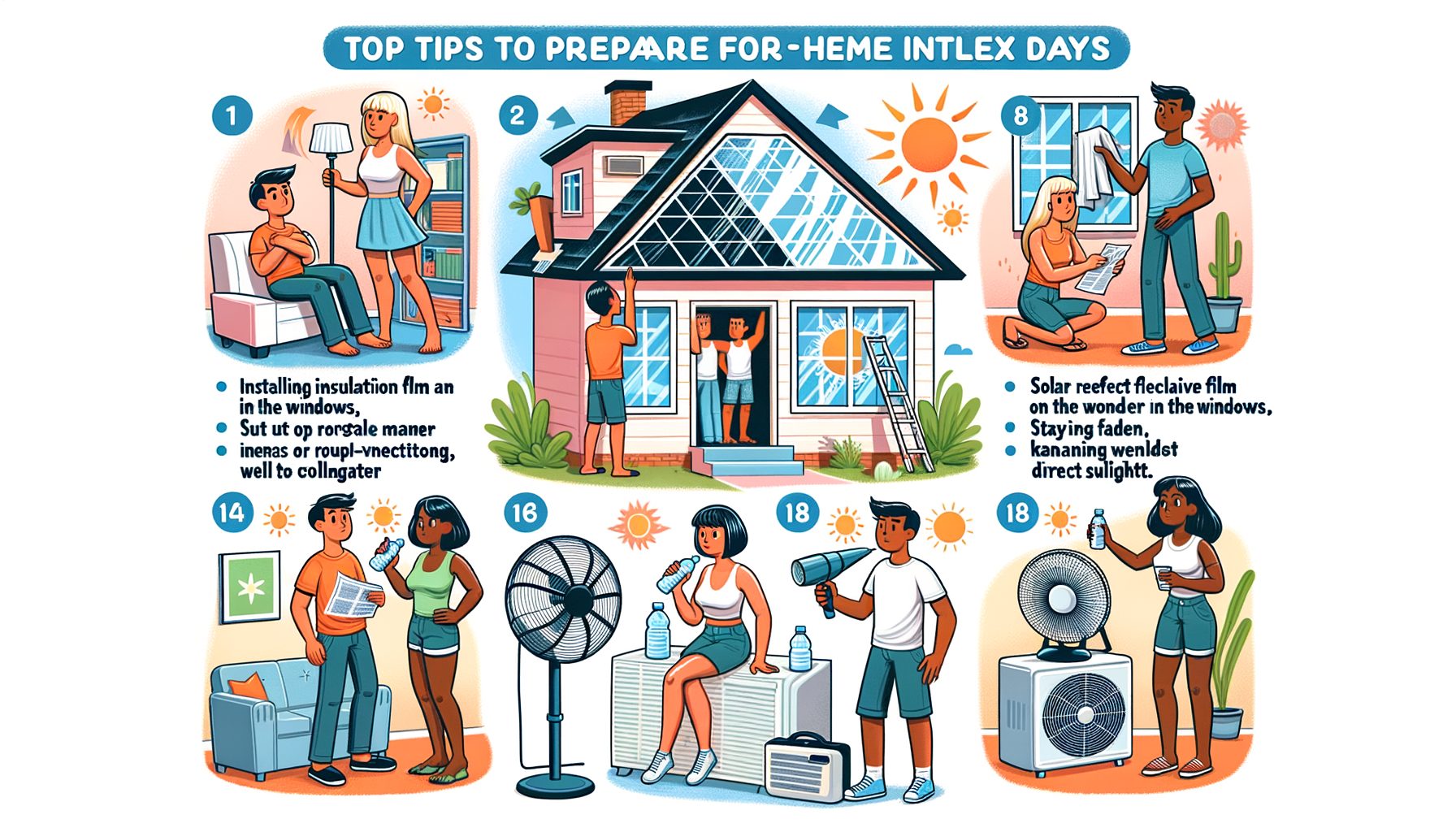
When forecasts warn of extreme heat index days, the “feels-like” temperature can soar past what your air conditioner was designed to handle. Homes heat up fast. Indoor humidity climbs, and power bills spike. The core issue is straightforward: most houses leak cool air, absorb too much sun, and run cooling systems inefficiently—right when you need relief most. The upside? You can prepare your home to stay cooler, safer, and cheaper to operate. In this guide, you’ll learn practical, low-cost fixes and smart strategies for extreme heat index days, backed by reliable data and real-world tips. Whether you own or rent, and whether you live in a humid coastal city or a dry inland region, these steps will help protect your health, your comfort, and your budget.
What the Heat Index Really Means—and Why Homes Overheat
The heat index combines air temperature and humidity to estimate how hot it actually feels to your body. On extreme heat index days, sweat evaporates more slowly because the air already holds a lot of moisture. That slows your body’s natural cooling and raises the risk of heat stress. Outdoors, the effect is obvious. Indoors, the same physics applies—especially in homes with high humidity, large sunny windows, or air leaks that pull in warm, moist air. According to the U.S. National Weather Service, heat risks escalate quickly as humidity rises even at the same air temperature. Learn more from the National Weather Service’s heat index guide at the National Oceanic and Atmospheric Administration (NOAA): weather.gov/safety/heat-index.
Homes typically overheat for four reasons. First, solar gain: direct sun through windows can add thousands of watts of heat on bright afternoons. Second, infiltration: warm outdoor air sneaks in through gaps around doors, windows, and attic hatches, while cool air leaks out. Third, internal loads: cooking, hot showers, computers, and TVs all give off heat. Fourth, humidity: when indoor humidity is high (think 60%+), sweat evaporates slowly and your air conditioner must remove both moisture and heat, working extra hard. By understanding these drivers, you can target actions that deliver the biggest relief in the shortest time.
The table below shows typical heat index levels and what they may mean inside a home, plus quick actions to take. Well, here it is—use it as a simple trigger plan for your day.
| Heat Index (HI) | Risk Level (NOAA) | Likely Indoor Impact | Priority Actions at Home |
|---|---|---|---|
| 80–90°F (27–32°C) | Caution | Mild discomfort in sunny rooms; early humidity rise | Close blinds by 10 a.m., run ceiling fans, switch to LED lights |
| 90–103°F (32–39°C) | Extreme Caution | AC runs longer; west-facing rooms heat up | Shade windows, seal door gaps, precool mornings, limit oven use |
| 103–124°F (39–51°C) | Danger | High indoor humidity; potential heat stress for vulnerable people | Set AC to 78–80°F with fans, use dehumidifier, hydrate, check on others |
| 125°F+ (52°C+) | Extreme Danger | Cooling may struggle; indoor temps can become unsafe | Move to coolest room, use cooling centers, prepare outage plan, watch for symptoms |
Keep in mind: humidity is a force multiplier. A 90°F day with high humidity can feel like 103°F+ and push your AC near its limits. Monitoring indoor relative humidity (a simple $10–$20 hygrometer works) helps you stay ahead—aim for 40–50% if possible. Treat sunlight, air leaks, and moisture together, and your home will feel cooler even without lowering the thermostat much—a key advantage during peak demand and high energy prices.
Low-Cost, High-Impact Upgrades You Can Do This Week
Not every fix requires a contractor or a big budget. Many of the best improvements for extreme heat index days are fast, inexpensive, and renter-friendly. Start with the sun. Exterior shading blocks heat before it enters: awnings, outdoor shades, or even temporary shade sails can dramatically reduce solar heat gain. What’s interesting too: the U.S. Department of Energy (DOE) notes that awnings can cut heat gain by up to 65% on south-facing windows and 77% on west-facing ones. See DOE’s guidance here: energy.gov/energysaver/awnings. If exterior options aren’t possible, use reflective interior shades, insulated curtains, or removable window films—especially on the sunniest windows.
Then this—seal the leaks. Warm air drafts in around door sweeps, weatherstripping, window frames, and attic hatches. A $10 door sweep and a $5 roll of foam weatherstripping can stop a surprising amount of heat infiltration. In apartments, ask your landlord for permission to add temporary weatherstripping; it peels off cleanly later. Close the fireplace damper when not in use. If you have a pull-down attic ladder, add an insulated cover to reduce heat transfer from the attic.
Turn on the breeze—strategically. Ceiling fans don’t lower air temperature, but they move air across your skin and increase evaporation. You’ll feel cooler and can raise the thermostat 2–4°F without losing comfort. The DOE explains fan efficiency and use here: energy.gov/energysaver/ceiling-fans. Set fans to blow downward in summer (counterclockwise on most models). In dry climates or on cool nights, cross-ventilate: open low, shady windows and a higher window on the opposite side to flush out hot air after sunset.
Manage indoor moisture. In humid regions, a portable dehumidifier in the most-used room can make a big difference. Aim for 40–50% relative humidity; even if the thermostat stays at 78–80°F, the room will feel less sticky. Run bathroom exhaust fans during and after showers, and use the range hood while cooking. Avoid boiling water or baking during the hottest hours; batch-cook in the morning or use microwave/air fryer appliances that add less heat.
Finally, reduce heat sources. Swap to LED bulbs (they give off far less heat than incandescents). Idle electronics should be unplugged to avoid “phantom” heat. Keep doors closed to the coolest room you plan to use as a retreat zone. If safe, cook outdoors or prepare no-heat meals on extreme days. These simple moves compound: shade blocks the heat, sealing keeps it out, fans and dehumidifiers boost comfort, and lower internal loads make every degree of cooling go further. Noticeable comfort improvements are often reported with just $50–$150 of materials and one focused weekend of work—and the benefits continue all season.
Smart Cooling, Energy Savings, and Safety on Extreme Heat Index Days
HVAC systems work hardest during extreme heat index days. A few smart settings and habits can protect your comfort and your power bill at the same time. Start with your thermostat strategy. ENERGY STAR and DOE suggest 78°F (25.5°C) when you are home and need cooling; each degree higher can save roughly 3% on cooling costs for many households. Combine that with ceiling fans to feel cooler at the same setpoint. Pre-cool early: run the AC in the late morning to chill the home’s thermal mass while the sun is lower, then avoid large thermostat swings later in the day when the grid is most stressed.
Maintenance matters. Replace or clean filters every 1–3 months in cooling season (more often with pets or dust). Airflow is reduced by a clogged filter, efficiency suffers, and coil icing can occur. Keep outdoor condenser units clear of debris, leaves, and tall grass; provide at least 2 feet of clearance on all sides. If possible, schedule a professional tune-up before peak summer. Sealing return ducts and checking refrigerant charge can improve performance, especially in older systems. For room-by-room control, consider a smart thermostat or smart plugs for window units, so you can schedule operation and avoid cooling empty rooms.
Humidity and ventilation deserve attention. If your AC struggles to dehumidify, run a dehumidifier in parallel or set the thermostat fan to “auto” rather than “on” (constant fan can sometimes re-evaporate moisture from the coil). Keep windows closed during hot, humid daytime hours; ventilate at night if outdoor air is cooler and drier. In dry heat, evaporative coolers can supplement AC, but they are not ideal in high humidity.
Plan for peak hours and outages. Many utilities see the highest demand between mid-afternoon and evening. Shift laundry, dishwashing, and oven use to mornings. Then this: if your utility offers demand response programs or time-of-use rates, enroll and set up automated temperature adjustments. Prepare a “heat kit”: water bottles, electrolyte packets, battery-powered fan, instant cold packs, a spray mister, and a list of local cooling centers. Learn heat illness signs and first aid from trusted sources like the World Health Organization: who.int, and the American Red Cross: redcross.org. Check on older adults, infants, pregnant people, outdoor workers, and those with medical conditions. For pets, provide cool floors, fresh water, and never leave them in vehicles.
These smart moves—optimal thermostat use, equipment care, humidity control, and a simple safety plan—add resilience. You’ll feel cooler, spend less, and be ready for whatever the forecast brings.
Quick Q&A: Common Questions About Preparing for Extreme Heat Index Days
What indoor temperature is safe during a heatwave?
Most healthy adults do well around 78–80°F (25.5–26.5°C) with fans and 40–50% humidity. Vulnerable people may need cooler conditions. If indoor temps exceed the mid-80s (around 30°C) with high humidity, move to the coolest room, hydrate, and consider a public cooling center.
Should I run fans with the air conditioner?
Yes. Fans improve comfort by moving air across your skin, allowing a 2–4°F higher thermostat setpoint with similar comfort. Just turn fans off when you leave the room; they cool people, not air.
How can renters prepare without major changes?
Use removable window films and insulated curtains, add door sweeps and peel-and-stick weatherstripping, run a portable dehumidifier, and employ smart plugs or timers on window AC units. Talk to your landlord about exterior shading or sealing—these upgrades protect the property too.
What should I do if the power goes out during extreme heat?
Close shades, move to the lowest/coolest room, use battery fans and a spray mister, and avoid physical exertion. Drink water regularly. Check local alerts for cooling centers. If anyone shows signs of heat stroke (confusion, fainting, hot dry skin), call emergency services immediately.
Conclusion: Make Your Home a Heat-Ready Haven
We covered the essentials for staying safe and comfortable on extreme heat index days: how the heat index and humidity intensify indoor discomfort, quick upgrades that block heat and seal cool air in, and smart, evidence-based strategies for running your cooling system efficiently while keeping your household safe. The pattern is clear: stop heat before it enters, manage moisture, move air across people (not just rooms), and set your equipment up for success—then back it all up with a simple safety plan.
Here is your call-to-action for today: pick three actions and complete them before the next heat alert. For example, install weatherstripping and a door sweep, add reflective shades to the two sunniest windows, and replace your AC filter. Tomorrow, set your smart thermostat to pre-cool mornings and raise the setpoint by 2°F when fans are running. Then this weekend, create a small “heat kit” and map your nearest cooling center. Share this guide with a neighbor or a family member who might need help; heat resilience is stronger when the whole community participates.
You have more control than you think. A few focused steps can turn your home from heat-vulnerable to heat-ready, reduce energy costs, and protect your health when the forecast spikes. Start small, build momentum, and track what works. Which room will you cool first—and which simple fix will you tackle today? Stay prepared, stay cool, and take care of each other.
Outbound Resources
– NOAA Heat Index and Safety: weather.gov/safety/heat-index
– U.S. Department of Energy, Energy Saver (Awnings): energy.gov/energysaver/awnings
– U.S. Department of Energy, Energy Saver (Ceiling Fans): energy.gov/energysaver/ceiling-fans
– ENERGY STAR Thermostat Guidance: energystar.gov/products/smart_thermostats
– World Health Organization, Heat and Health: who.int
– American Red Cross, Heat Wave Safety: redcross.org
Sources
– National Oceanic and Atmospheric Administration (NOAA). Heat Index and Safety. https://www.weather.gov/safety/heat-index
– U.S. Department of Energy (DOE), Energy Saver. Awnings and Window Treatments. https://www.energy.gov/energysaver/awnings
– U.S. Department of Energy (DOE), Energy Saver. Ceiling Fans. https://www.energy.gov/energysaver/ceiling-fans
– ENERGY STAR. Smart Thermostats and Cooling Tips. https://www.energystar.gov/products/smart_thermostats
– World Health Organization (WHO). Climate Change, Heat and Health. https://www.who.int/news-room/fact-sheets/detail/climate-change-heat-and-health
– American Red Cross. Heat Wave Safety. https://www.redcross.org/get-help/how-to-prepare-for-emergencies/types-of-emergencies/heat-wave-safety.html